
Written by Thobile Jiwulane
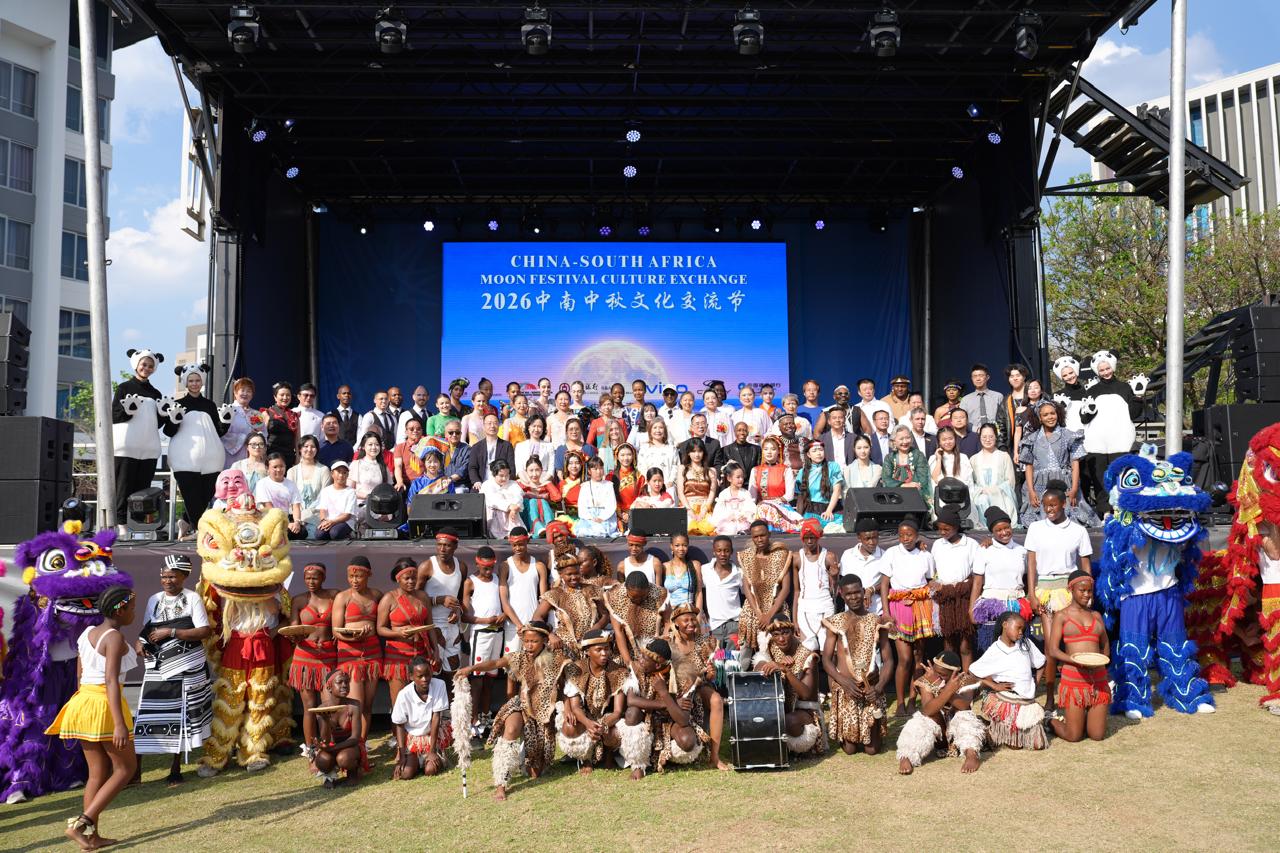
The bond of friendship between South Africa and the People’s Republic of China took a leap forward when the traditional Chinese Moon Festival was celebrated on South African soil for the very first time since the two countries established diplomatic relations.
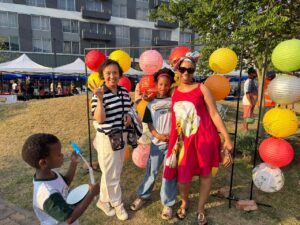
On Saturday, 26 September, Menlyn Main Central Square at Time Square in Waterkloof Glen was transformed into a vibrant hub of colour, sound, and cultural exchange. The daylong celebration drew crowds of families, students, and curious onlookers, all eager to experience the magic of one of China’s most cherished traditions.
A Festival of Joy and Heritage
The Moon Festival, also known as the Mid-Autumn Festival, is a time of family reunion, harvest, and joy in China. Its arrival in South Africa was particularly symbolic: 2026 marks the China Africa Year of People-to-People Exchanges, while September is South Africa’s Heritage Month. The overlap created a perfect moment to celebrate shared values of unity, tradition, and cultural pride.
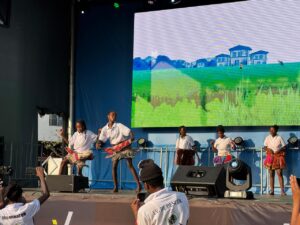
From the early hours, the square was abuzz with music and dance. South African Chinese performers and local African drummers took turns on stage, weaving together rhythms from two continents. Fashion shows showcased traditional Chinese attire alongside African designs, while martial arts demonstrations thrilled audiences with precision and power. Guests were welcomed with music and visuals projected on stage screens, immersing them in Chinese artistry and dance.
Performances that Mesmerised
The entertainment lineup was rich and diverse. The Huaxing Arts Troupe’s Elegance of the Tang Court transported audiences back to imperial China with flowing costumes and graceful choreography. Later, the ballroom champions of China and South Africa joined forces for Tonight, a performance that left the crowd mesmerised with its flexibility, elegance, and airborne agility.
South African performers brought their own flair. Zulu dancers delivered a powerful indlamo routine, their trademark high kicks drawing cheers from Chinese guests who were visibly impressed by the athleticism and energy. The fusion of Zulu tradition with Chinese artistry embodied the spirit of cultural exchange.
The finale, Hani Baby by Huaxing Arts Troupe, kept the audience on their feet, blending contemporary beats with traditional artistry. Martial arts displays added further excitement, showcasing discipline and spectacle in equal measure.
Qin Zhanpeng’s Address
Amid the revelry, China Embassy Chargé d’Affaires ad interim Qin Zhanpeng delivered a formal address. He paid tribute to the organisers—Huaxing Arts Group Johannesburg, Time Square, and the China South Africa Youth Federation—for their dedication and hard work in bringing the festival to life.
“Walking around the venue I was deeply impressed by the harmonious blend of traditional Chinese Moon Festival culture and the vibrant South African culture. From attractive stage performances to heritage displays, delicious food and the presence of leading Chinese enterprises in South Africa, this event is teeming with energy, joy and flavour,” Qin said.
He emphasised that the festival honoured common heritages while embracing modern vitality, showcasing achievements of Chinese modernisation and its connection with South African people. Qin noted that the celebration coincided with the 77th anniversary of the founding of the People’s Republic of China, pledging continued support for initiatives that strengthen the bond of friendship between the two nations.
A Cultural Bridge
Beyond the official speeches, the festival was a cultural bridge. South African audiences experienced Chinese artistry firsthand, while Chinese performers embraced South African traditions. The fusion of Zulu dance with Tang era elegance, of African drumming with Chinese martial arts, embodied the spirit of exchange and friendship.
Guests remarked on the sense of unity the event fostered. “It felt like two worlds meeting under one moon,” said one attendee, echoing the festival’s theme of family and togetherness.
Looking Ahead
As the final notes faded and the crowd dispersed, the significance of the day lingered. The Moon Festival had not only entertained but also deepened the bond between South Africa and China. It showcased how cultural celebration can complement diplomatic ties, turning heritage into shared experience.
With Qin’s pledge of continued support and the enthusiasm of both performers and audiences, the inaugural Moon Festival in South Africa laid the groundwork for future joint celebrations. It was a day filled with moonlight and music, and more importantly, a significant milestone in the friendship between the two nations.
This event followed the official opening of the Chinese art exhibition at the Ditsong Museum of Cultural History on the other side of the city. This underscored that China and South Africa are committed to expanding their strong trade and diplomatic relationship into culture at the grassroots level.

- Thobile Jiwulane