In an effort to compete in the streaming space, MultiChoice entered into partnerships with Netflix and launched Showmax, their own streaming service. However, many argue that this strategy was misguided. Rather than relying on partnerships with global streaming giants, MultiChoice should have focused on developing its own unique streaming platform to cater specifically to African tastes and content. The collaboration with Netflix diluted its ability to carve out a unique identity, and Showmax, while offering local content, has struggled to attract the same audience size as its global competitors.
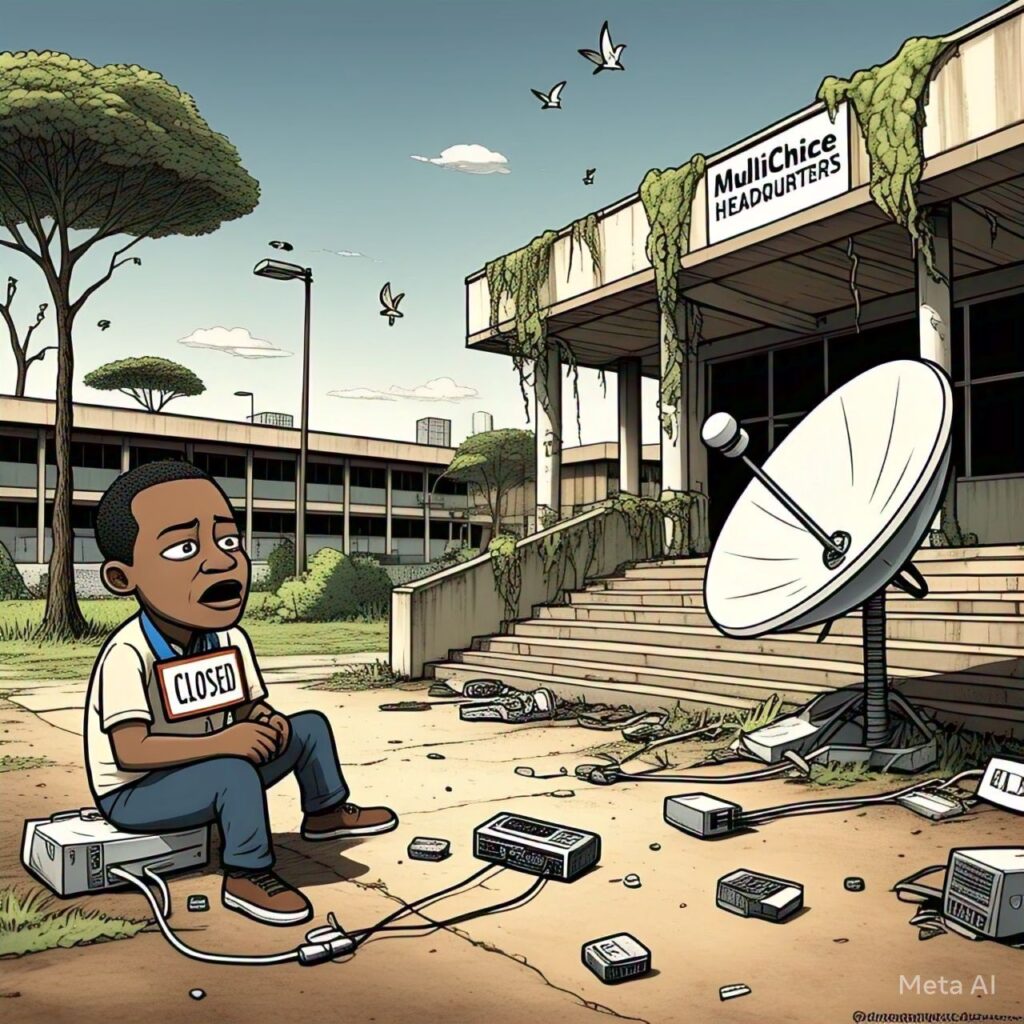
The DStv Internet Initiative: A Missed Opportunity in the Age of Fiber Optic
In addition to its partnership with Netflix, MultiChoice introduced DStv Internet to support its streaming efforts. This was a good idea at the time, providing users with an integrated internet service to help facilitate smoother streaming experiences. However, the rise of fiber optic internet connections across Africa quickly overtook the potential of DStv Internet. With fiber optic internet now widely available in urban areas, consumers are increasingly turning to more flexible, cost-effective internet services rather than relying on proprietary offerings from DStv.
MultiChoice’s Potential Buyout: A Way Out Strategy
With its market share dwindling and the future of traditional broadcasting uncertain, MultiChoice is reportedly exploring a potential buyout by French media giant, Vivendi, which owns global entertainment conglomerate Canal+ Group. The buyout, if successful, could provide MultiChoice with the much-needed capital injection and international expertise to transition into a more competitive streaming and digital content delivery platform. This strategy could also serve as a “way out” for MultiChoice, offering an exit for South African investors while positioning the brand for a fresh start under new ownership.
Such a move would give MultiChoice access to Canal+’s vast global content library, advanced technology, and distribution networks, which could accelerate the company’s digital pivot. However, this would also mark the end of MultiChoice’s identity as an African-owned business, raising concerns among stakeholders about the long-term impact on African content and consumer interests.
MultiChoice’s struggles highlight the challenges traditional broadcasters face in adapting to the rapidly evolving digital landscape.
The company’s slow response to the rise of streaming services, poor strategic partnerships, and failure to recognize the impact of fiber optic internet have led to a significant loss of subscribers. While the potential buyout by Vivendi could offer a lifeline, MultiChoice’s long-term survival will depend on how well it adapts to the global digital media ecosystem. If not, it risks being left behind in a future dominated by global digital giants.