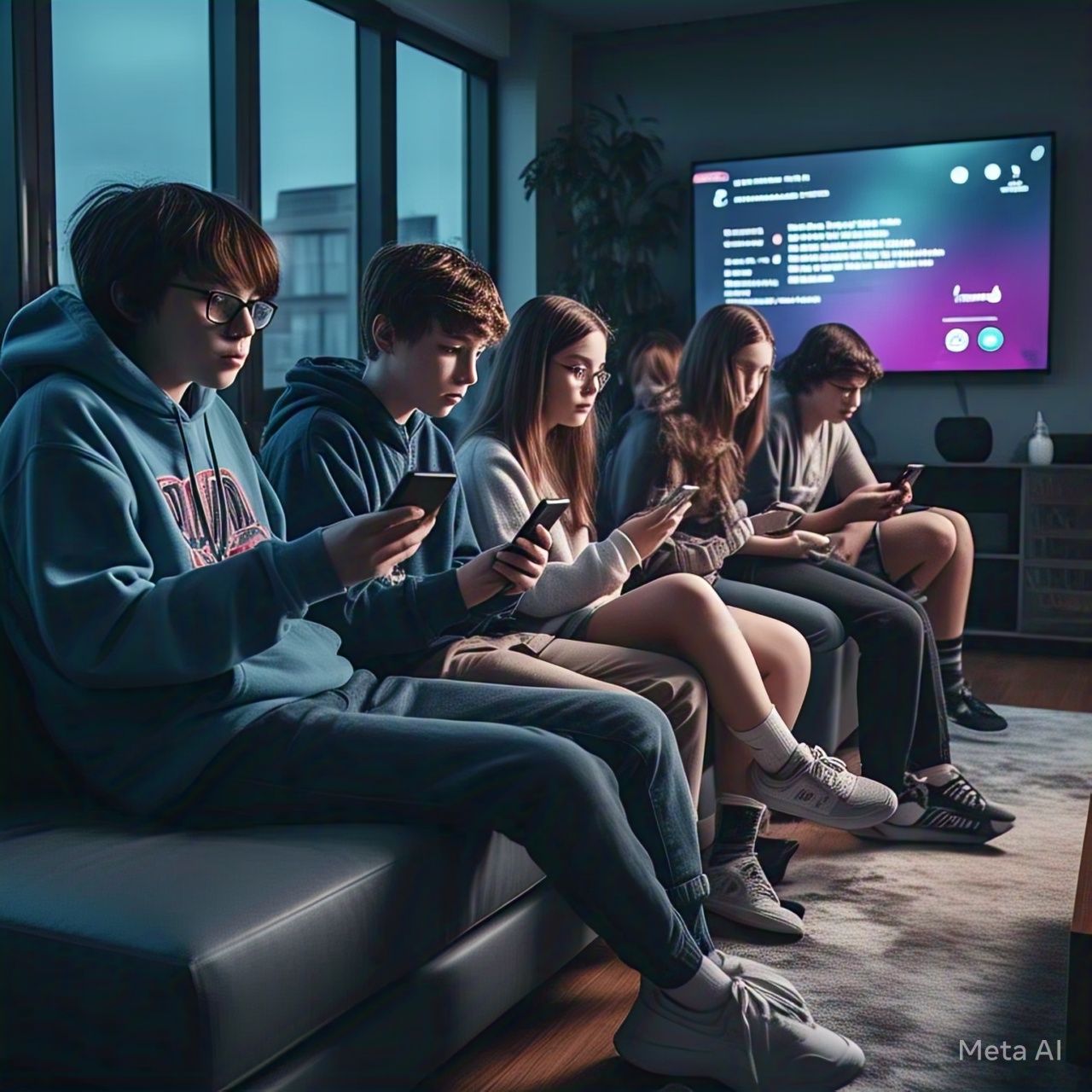
In the past, traditional role models like family members, neighbors, and community leaders played a significant role in shaping the lives and values of youngsters. However, the rise of social media has dramatically shifted this dynamic, with online influencers, celebrities, and digital communities replacing the traditional figures who once held this responsibility. Youngsters today are increasingly drawn to virtual spaces, where they form online families and adopt new role models who may be far removed from their immediate surroundings.
Youngsters today are increasingly drawn to virtual spaces, where they form online families and adopt new role models who may be far removed from their immediate surroundings.
The advent of social media has made it possible for young people to access a wealth of information, trends, and lifestyles that transcend geographical and cultural boundaries. Platforms like Instagram, TikTok, YouTube, and Twitter give young people direct access to the lives of influencers and celebrities, many of whom have millions of followers. These online figures—often characterized by their charisma, glamour, and perceived success—are seen by many young people as more relatable and aspirational than traditional role models.
In countries across the globe, social media has reshaped what it means to be a role model. In the United States, for instance, figures like Kylie Jenner and Charli D’Amelio, both social media influencers, have amassed millions of followers who look up to them for guidance on everything from beauty and fashion to life choices and personal branding. These online celebrities often influence young people more than family members or local figures because they appear more “authentic” or accessible, even though their online personas are often heavily curated.
Similarly, in Kenya, TikTok has taken a strong hold among youth, with influencers gaining massive followings. Young Kenyans, especially in urban areas, often see content creators as role models, sometimes more so than their parents or older community members. These influencers, who offer everything from comedic skits to lifestyle advice, can shape opinions, values, and even political views, leading to a shift in the traditional influence of family and community figures.
In South Korea, the K-pop industry and its idols, who are often active on platforms like Instagram and V Live, have become idols for millions of youngsters. These idols are perceived as the perfect blend of talent, beauty, and personality. Young Koreans, especially teenagers, form a virtual connection with their idols, looking to them for inspiration, sometimes more so than local family members or community leaders.
However, this shift toward online role models also comes with significant challenges. Social media thrives on likes, shares, and self-affirmation through followers, which can profoundly impact young people’s self-esteem and self-worth. Many youngsters measure their value based on the number of likes or comments their posts receive, making them susceptible to validation-seeking behavior. The pressure to present an idealized version of themselves can lead to feelings of inadequacy and low self-esteem if their posts don’t garner the expected attention.
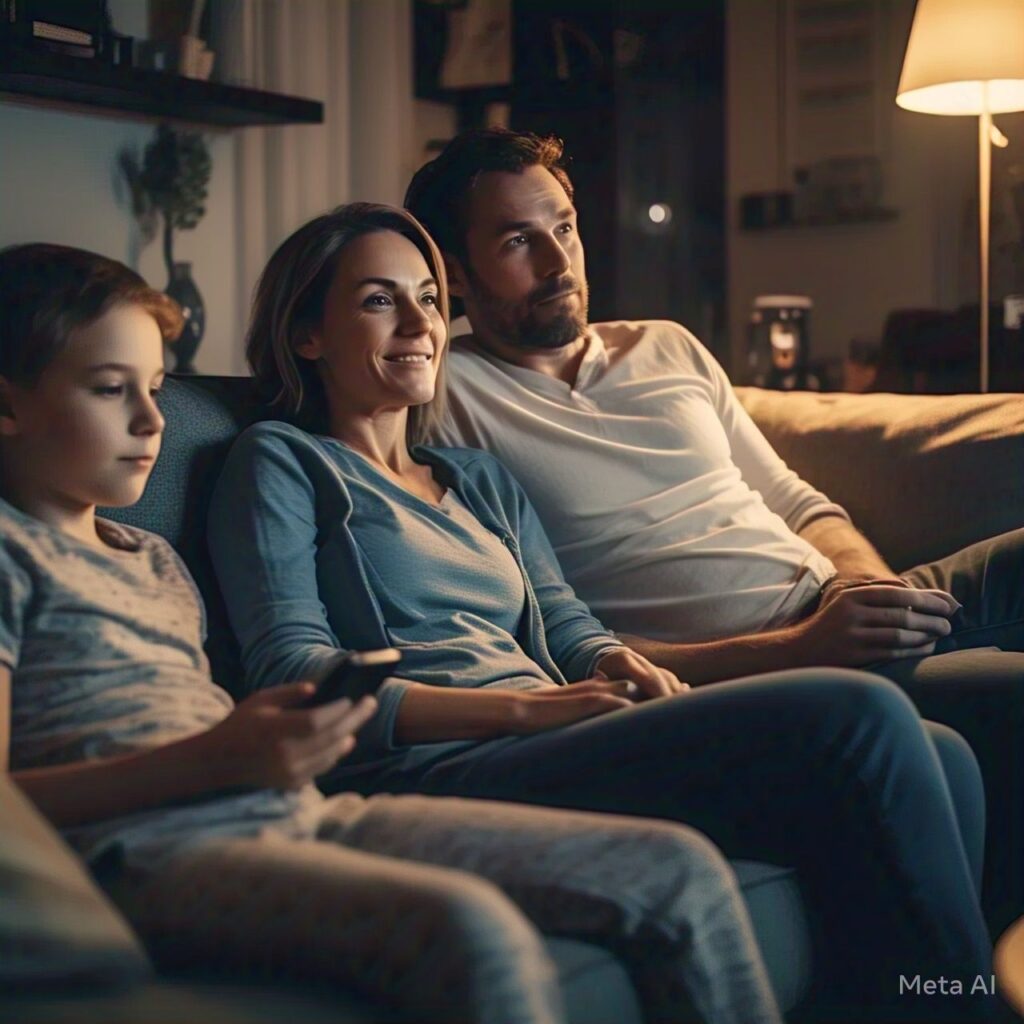
Moreover, the superficial lifestyles often portrayed by influencers can be misleading. Many influencers share only the highlights of their lives—luxurious vacations, glamorous fashion, and perfectly staged photos—leading young people to believe that success and happiness are defined by material wealth and an idealized appearance. This creates a distorted reality where young people compare their everyday lives to the filtered, curated images of perfection they see online, further exacerbating feelings of inadequacy and dissatisfaction.
While social media offers young people the opportunity to connect and learn from a global network, it also poses risks. Many youngsters may find themselves disconnected from their immediate social environments, turning to virtual communities and families instead. This shift can sometimes create a sense of isolation, as the influence of real-life, supportive figures in one’s personal environment diminishes.
While social media is undeniably altering the landscape of role models for today’s youth, it offers exposure to diverse ideas and lifestyles, it also raises important questions about the impact of these virtual influences on self-esteem and personal identity. As social media continues to evolve, it will remain crucial for families, communities, and schools to play an active role in guiding youngsters toward healthy and balanced sources of inspiration, reminding them that true validation comes from within and not from the digital world.

