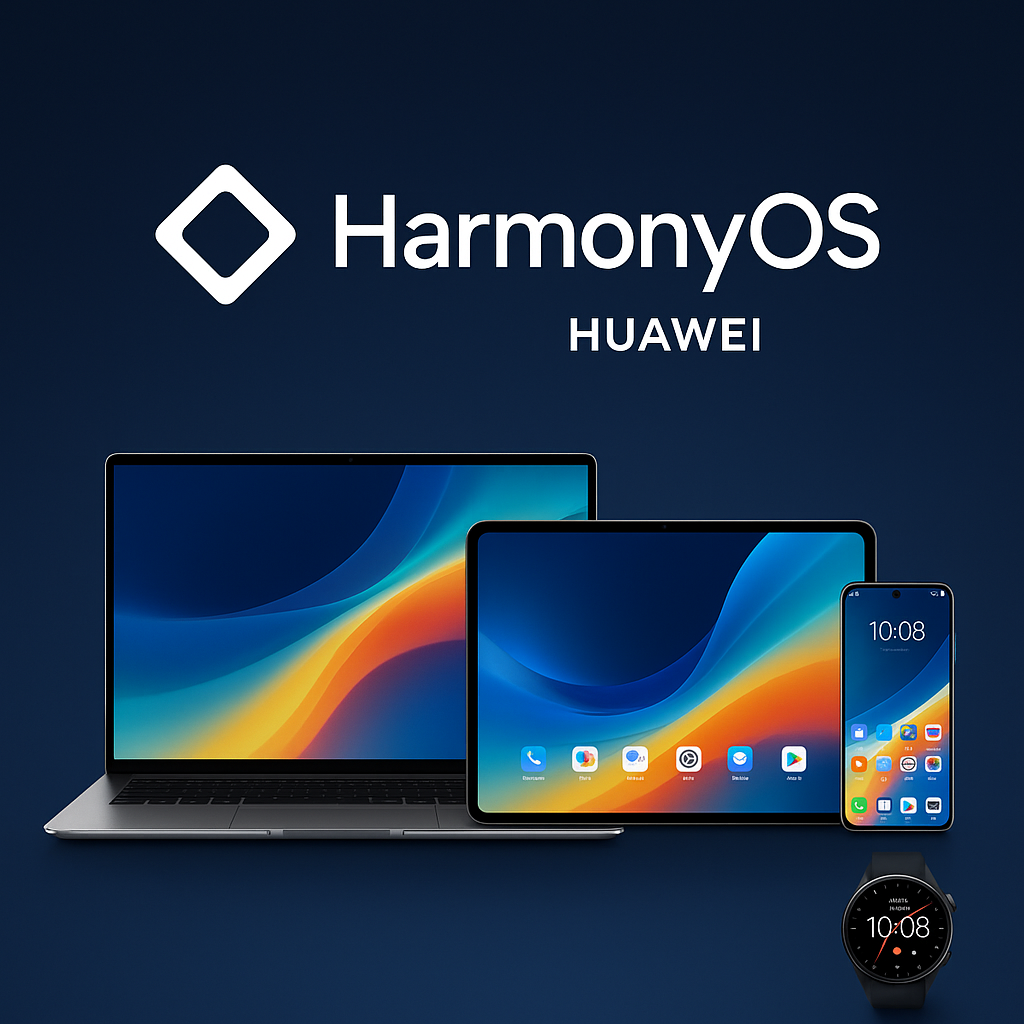

On May 19, 2025, Huawei launched its first laptops powered by HarmonyOS 5, marking a significant milestone in China’s pursuit of technological self-sufficiency. This move signifies a broader shift in the global tech landscape, challenging the longstanding dominance of Western operating systems like Microsoft’s Windows and Apple’s macOS.
Background: Western Dominance and Its Implications
For decades, Western tech giants have maintained a stronghold over global technology infrastructure. Operating systems such as Windows and Android have become ubiquitous, granting the United States considerable influence over global digital ecosystems. This dominance has not only facilitated economic advantages but also provided geopolitical leverage. A notable instance was in 2019 when the U.S. government imposed sanctions on Huawei, restricting its access to critical technologies, including Google’s Android operating system.
China realised and it is addressing the vulnerabilities of nations heavily reliant on foreign technology and highlighted the potential for technology to be used as a tool of political influence.
HarmonyOS: China’s Technological Countermeasure
In response to these challenges, Huawei accelerated the development of HarmonyOS, its proprietary operating system. Initially introduced for smartphones in 2019, HarmonyOS has evolved into a comprehensive ecosystem, now encompassing laptops, tablets, and other smart devices. The launch of HarmonyOS 5-powered laptops represents a significant step in reducing dependence on Western technologies. These devices are designed to offer seamless integration across Huawei’s product lineup, promoting a unified user experience.
Global Repercussions and Western Concerns
Huawei’s advancements have not gone unnoticed in the West. U.S. lawmakers have expressed concerns over the potential security risks associated with Huawei’s technologies, particularly regarding data privacy and the possibility of espionage. Calls have been made to limit the global spread of HarmonyOS, citing national security considerations. Critics argue that these concerns, while valid, may also reflect attempts to maintain technological hegemony and suppress emerging competitors.
Implications for the Global Tech Landscape
The rise of HarmonyOS signifies a potential shift towards a more multipolar technological world. As nations seek to bolster their digital sovereignty, the emergence of alternative operating systems could lead to increased competition and innovation. However, this diversification also raises concerns about fragmentation, interoperability, and the potential for digital protectionism.
Huawei’s launch of HarmonyOS-powered laptops on May 19, 2025, represents more than just a product release;
it embodies China’s strategic endeavor to redefine its position in the global tech hierarchy. By developing indigenous technologies, China aims to mitigate external dependencies and assert greater control over its digital future. While challenges remain, including international skepticism and the need for widespread adoption, HarmonyOS stands as a testament to China’s growing technological ambitions and the evolving dynamics of global tech power.

The writer, Dr. Tiema Haji is an academic, researcher, author, journalist, communication specialist and an accomplished poet.