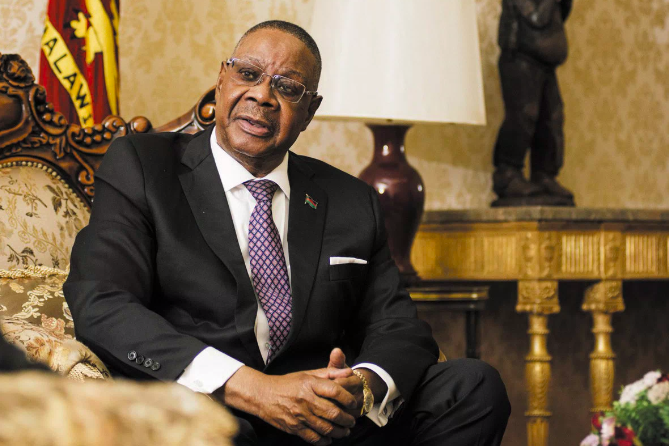
Malawians have once again handed the reins of state to an octogenarian. At 85, Arthur Peter Mutharika returns to Kamuzu Palace promising the same stability and reform he touted before, but this time with deeper wrinkles, fewer surprises, and a legacy of missed opportunities trailing behind him. It is both an act of nostalgia and an act of desperation. While inflation, joblessness and hunger stalk the land, voters reached for the comfort of an old name rather than the risk of a fresh start.
Malawians have once again handed the reins of state to an octogenarian.
But what has changed? In his first term (2014–2020), Mutharika promised to tackle corruption, grow the economy, create jobs and strengthen institutions. Instead, the period was marked by food shortages, procurement scandals and stunted progress. Despite some macroeconomic stability, Malawi’s youth unemployment soared, health and education indicators lagged, and donor confidence wavered. Why should citizens believe that the same captain who ran the ship aground can now sail it to calmer waters?
The uncomfortable truth is that Malawi is paying for its own political timidity. Nearly 55% of Malawians are under 20; 65% under 35. Yet the corridors of power remain dominated by the over-60s. Even as Generation Z organises on TikTok and WhatsApp, they are reduced to foot soldiers for old politicians. Instead of fielding a youthful candidate capable of turning a generational shift into votes, opposition parties splintered, and young voters stayed home or reluctantly chose Mutharika’s familiar name.
It didn’t have to be this way. Consider Utm Party’s Sosten Gwengwe, youthful, educated, with a record of service in finance and a modern economic vision. Consider Monica Chakwera and other rising figures in civil society and the private sector, articulate, data-driven and untainted by decades of political patronage. These are the kinds of leaders who could have translated youth frustration into political muscle. Yet they remain on the sidelines while octogenarians recite slogans from the 1980s.
The uncomfortable truth is that Malawi is paying for its own political timidity
Malawi’s crisis is not just about age; it’s about ideas and energy. The country needs leaders who understand the digital economy, climate-smart agriculture, start-up ecosystems, fintech, and the pressures on a rapidly urbanising youth. The young people sleeping on the floors of Mzuzu markets or hustling side gigs in Blantyre are not waiting for another infrastructure ribbon-cutting. They are waiting for policies that cut barriers to entry, foster entrepreneurship, and bring 21st-century skills into schools and colleges.
Can Mutharika deliver that? His campaign speeches promised anti-corruption reforms, a stronger finance sector and improved agriculture. But he promised that before. This time, nothing short of a genuine youth-inclusive cabinet, transparent contracts and a credible plan to reduce food insecurity will satisfy an increasingly vocal generation. If he defaults to “business as usual,” Malawians will have swapped one disappointing tenure for another.
And here’s the sharper edge: Gen Z has the numbers to change everything. With voter registration and digital campaigning, the youth can put forward candidates under 40, crowdfund their campaigns, and bypass the patronage networks of the old parties. They can harness social media to crowdsource manifestos and demand policy-by-policy accountability. In Ghana, Kenya, and Senegal, youth movements have forced governments to retreat from unpopular decisions; Malawi’s youth can do the same.
By electing an 85-year-old again, Malawians may have delayed this shift, but they haven’t killed it. In fact, this may be the last cycle in which nostalgia outweighs hunger for the new. If Mutharika fails to empower younger leaders in government, he will hand them a perfect rallying cry for 2029: that Malawi’s future cannot be mortgaged to recycled elites.
For now, the question remains: will Mutharika defy history and act as a bridge to a youthful future, or will he again entrench old networks and watch the country drift? The answer will determine whether Malawi breaks free of its cycles of poverty and patronage , or sinks deeper while waiting for a rescue that never comes.
Malawians deserve more than another round of reheated promises. They deserve leaders who understand their time, their technology, their hunger for opportunity. Gen Z deserves the chance to run, not just to clap at rallies. Without that shift, every election will feel like déjà vu, and Malawi’s best years will remain forever postponed.