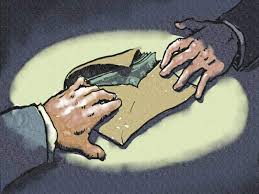
Across Africa, a chilling reality festers beneath the surface of our so-called democratic institutions: criminal syndicates have not just infiltrated but have captured the very political leadership meant to serve the people. South Africa, Kenya, Nigeria, Mozambique, and Zimbabwe, once beacons of hope on the continent, are now drowning in a swamp of corruption, complicity, and decay. This isn’t just about individual bad apples; this is about systemic rot that drags our nations backwards, eroding trust, dismantling justice, and feeding despair.
In South Africa, Lieutenant-General Nhlanhla Mkhwanazi’s explosive revelations in 2025 shattered any lingering illusions. He accused Police Minister Senzo Mchunu of ordering the disbandment of a political killings task team that was closing in on a sprawling cartel weaving between drug traffickers, politicians, police officers, prosecutors, and even judges. This is not mere incompetence; this is a criminal conspiracy at the highest levels of government. The very ministry tasked with upholding the law is reportedly shielding killers and criminals, protecting their dark networks with bureaucratic maneuvering and political cover.
criminal conspiracy at the highest levels of government.
The fallout threatens to tear apart the African National Congress’s fragile grip on power within the Government of National Unity in 2024–2025. Opposition parties, DA, EFF, IFP—are sharpening their knives, eager to exploit this scandal as proof that the ANC is no longer capable of reform. Already, calls for Mchunu’s suspension and a full parliamentary inquiry are mounting. The ANC faces an existential question: will it stand by a minister allegedly complicit in shielding crime syndicates, or will it risk its political dominance by taking decisive action? The answer will shape the future of South African politics.
But South Africa is not alone. Kenya’s history with corruption and criminal cartels was laid bare in the 1990s and 2000s with the Kamlesh Pattni Goldenberg scandal (early 1990s), which revealed deep collusion between politicians and illicit networks smuggling contraband across borders. The Kenyan public’s faith in their leadership was shattered, fueling protests and political upheaval.
Nigeria is reeling from several high-profile corruption cases in the past decade. Former National Security Adviser Sambo Dasuki was accused in 2015 of embezzling billions of naira intended for arms procurement to fight Boko Haram insurgents. Political patronage protects warlords and criminal networks that exploit oil revenues and perpetuate violence in the Niger Delta. The case of former Delta State governor James Ibori, convicted in the UK in 2012 for money laundering and corruption, epitomizes the nexus of politics and organized crime strangling Nigeria’s progress.
Political patronage protects warlords and criminal networks that exploit oil revenues and perpetuate violence
Mozambique’s northern Cabo Delgado province has been gripped by a violent Islamist insurgency since 2017, funded in part by illicit trafficking in precious stones and arms. The assassination of arms dealer Antonio Nguma in 2020 and revelations of political elites benefiting from illegal resource extraction expose the dark ties between militants, smugglers, and corrupt politicians. The 2016–2017 hidden debts scandal involving state-owned companies Ematum and ProIndicus, which accumulated over $2 billion, sparked economic crisis and political unrest.
Zimbabwe continues to wrestle with kleptocracy under President Emmerson Mnangagwa’s administration (2017–present), where high-profile figures such as former Defense Minister Sydney Sekeramayi (in office 2013–2018) have been implicated in looting state resources. The Zimbabwe Anti-Corruption Commission has uncovered sprawling graft networks involving senior officials enriching themselves at the expense of citizens. The economic collapse, hyperinflation peaking around 2019–2020, and political repression are symptoms of this leadership failure.
Closer to home, South Africa’s own history of leadership betrayal reads like a catalogue of scandal and dysfunction: the Jacob Zuma-Gupta state capture saga (2015–2018) that plundered national coffers; the Shabir Shaik trial (2005), exposing corrupt political-business collusion; Jackie Selebi, former National Police Commissioner, convicted for corruption in 2010; and the continuing shadow of Shabir Shaik’s associates influencing state machinery. These events have crushed public trust, leaving citizens cynical and disillusioned.
The damage is profound. When leaders are in cahoots with criminals, democracy dies a slow death. Institutions that should protect the people become tools of oppression and greed. Public confidence collapses, justice is denied, and violence thrives. Africa’s youth, the continent’s future, look on in despair, wondering if change is even possible.
Africa’s descent into chaos is not the fault of foreign powers or distant forces — it is the direct result of homegrown rot. When politicians become cartel pawns and institutions are puppeteered by criminals, the dream of progress turns into a nightmare of stagnation and despair. The time has come for bold accountability, relentless transparency, and for citizens to reclaim their continent from the grasp of these corrupt elites. Anything less is surrendering Africa’s destiny to the darkness of greed and impunity.

