
Professor Ngũgĩ wa Thiong’o is one of Africa’s most influential writers, scholars, and intellectuals. Born on January 5, 1938, in Kamiriithu, Kenya, Ngũgĩ’s life and career have been marked by a steadfast commitment to the promotion of African culture, language, and identity through literature. His writings have been both celebrated and controversial, earning him recognition as a revolutionary figure in African literature.
Ngũgĩ’s criticism of post-independence political corruption and exploitation resonated deeply with Kenyan society, as well as readers across Africa.
Ngũgĩ began his literary journey in the early 1960s. His first novel, Weep Not, Child (1964), set against the backdrop of Kenya’s struggle for independence, was groundbreaking for its portrayal of the impact of colonization on African lives. Ngũgĩ followed this with The River Between (1965), which delved into the complexities of Kenyan culture and the tension between traditional ways of life and the influence of colonialism. These early works established him as a leading voice in African literature, aligning him with the post-colonial narrative that sought to reclaim African identity.
However, it was his later work, particularly Petals of Blood (1977) and A Grain of Wheat (1967), that solidified his reputation. In these novels, Ngũgĩ’s criticism of post-independence political corruption and exploitation resonated deeply with Kenyan society, as well as readers across Africa. His portrayal of the failures of African leaders, who had replaced colonial rulers but continued to oppress the masses, made him a target for the Kenyan government.
Ngũgĩ’s outspoken political views, particularly his support for socialism and his advocacy for land reforms, led to his imprisonment in 1977. The government of President Jomo Kenyatta saw Ngũgĩ’s work as a threat, and after the release of his play Ngaahika Ndeenda (I Will Marry When I Want), which criticized the ruling class, he was detained without trial for over a year. This period of imprisonment was pivotal in Ngũgĩ’s life and work, leading him to a radical shift in his writing.
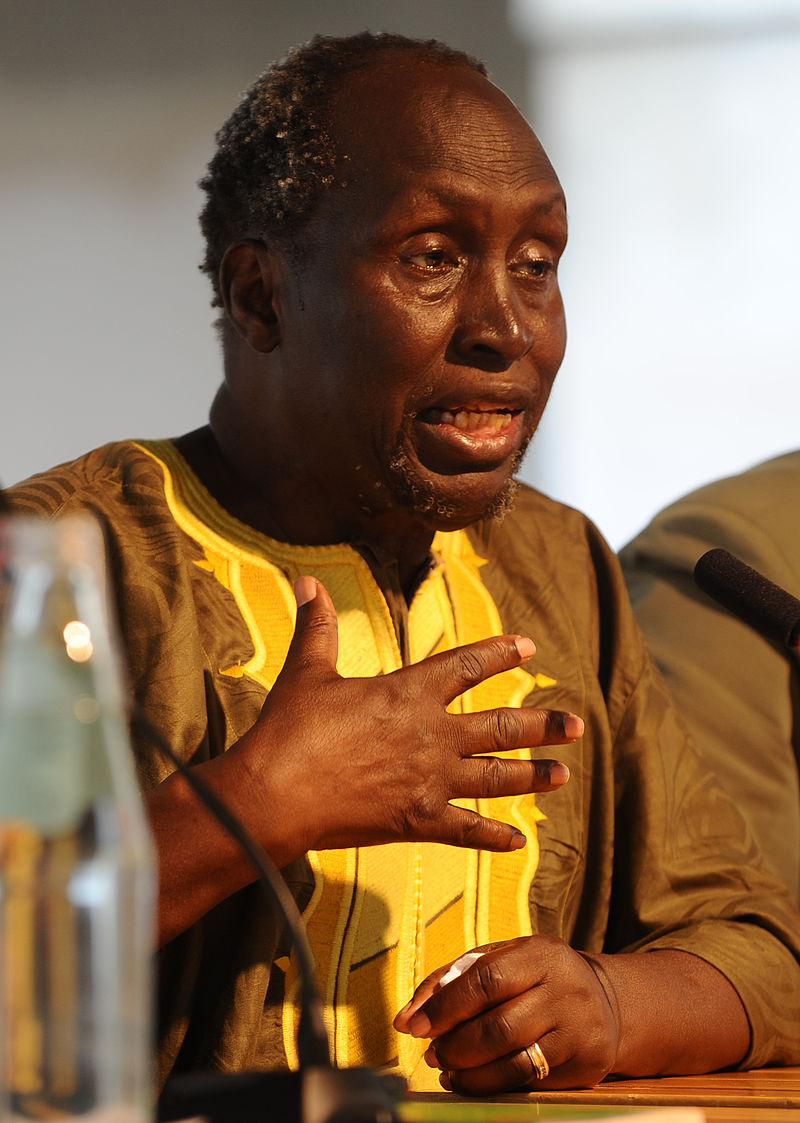
In the early 1980s, Ngũgĩ made a bold decision to abandon writing in English, opting instead to write in his native Gikuyu language. This move was symbolic of his broader call for the decolonization of African culture and language. His work in Gikuyu, including the novel Caitani Mũtharaba (1987), was a reflection of his belief that true liberation for African people could not occur unless they reclaimed their cultural heritage.
In 1982, Ngũgĩ left Kenya for the United States following mounting political pressure. He continued his academic career, becoming a professor at the University of California, Irvine, and influencing generations of writers and activists. Over the years, Ngũgĩ has published numerous works, including memoirs, essays, and plays, and remains a staunch advocate for African writers and artists to write in African languages.
Professor Ngũgĩ wa Thiong’o’s life is a testament to the power of literature as both a tool for social change and a means of personal expression. His relentless pursuit of justice, freedom, and cultural revival has made him a towering figure in African intellectual history.

