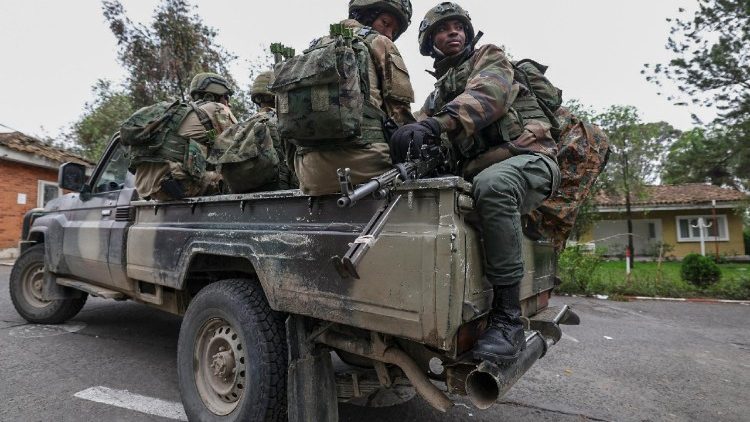
The conflict involving the M23 rebels and successive governments in the Democratic Republic of the Congo (DRC) is a deeply complex issue shaped by historical grievances, ethnic tensions, regional politics, and foreign interference. While the Congolese government brands M23 as a terrorist group, its fighters claim to be a resistance force seeking justice for the Tutsi minority in eastern DRC. The continued failure to achieve lasting peace raises serious questions about governance, regional interests, and the true nature of M23’s cause.
At the heart of the conflict is the long-standing marginalization of the Congolese Tutsi community, many of whom claim persecution and lack of political representation. M23, named after the March 23, 2009 peace agreement that it alleges was violated by the DRC government, emerged in 2012 as a breakaway faction of the Congolese army.
Its fighters demand the implementation of agreements that guarantee protection, reintegration, and political recognition for their communities.
However, their methods—military offensives, occupation of key territories, and alleged human rights violations—have drawn widespread condemnation.
External actors play a critical role in fueling or attempting to mediate the conflict. Rwanda, under President Paul Kagame, has been accused of backing M23 to exert influence over the mineral-rich eastern DRC, allegations Kigali strongly denies. Uganda, which has historically been involved in Congolese conflicts, has also been linked to the rebels. Meanwhile, regional blocs such as the Southern African Development Community (SADC) and the East African Community (EAC) have attempted peace initiatives but have largely failed to bring sustainable stability. The involvement of SADC troops and diplomatic efforts by EAC members illustrate the internationalization of the war, yet solutions remain elusive.
The failure of peace in the DRC is rooted in weak governance, corruption, and a lack of trust in peace processes. Successive governments have struggled to assert authority over the volatile eastern regions, where multiple armed groups operate, making genuine peace negotiations difficult. Furthermore, Kinshasa’s reliance on foreign military support, including SADC forces, highlights the state’s inability to handle internal security threats independently.
The question remains: is M23 a rebel group or a legitimate resistance movement? While its claims of ethnic protection and political marginalization are valid concerns, its violent methods and alleged foreign backing cast doubt on its true motives. Until the underlying issues of governance, ethnic representation, and regional interference are addressed, the DRC will remain trapped in a cycle of war, displacement, and instability. Without decisive and inclusive solutions, the M23 conflict will continue to be a symptom of the DRC’s deeper governance failures and regional rivalries.