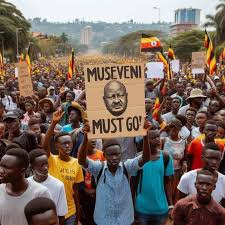
In Uganda, the specter of dictatorship continues to overshadow the nation as opposition leaders face repeated detention and arbitrary arrests. The climate of fear, meticulously crafted by President Yoweri Museveni’s regime, stifles dissent and erodes the foundations of democracy. Prominent opposition figures like Kizza Besigye have become symbols of resistance, their repeated arrests serving as stark reminders of the regime’s zero-tolerance policy toward dissent.
For decades, Museveni’s government has relied on a blend of patronage, coercion, and the strategic use of state power to maintain its grip on the country. Besigye, a long-time critic of Museveni, has been subjected to multiple detentions and continuous harassment, a pattern that reinforces a pervasive message: political dissent is a dangerous, costly risk. This environment of repression is designed not only to silence opposition voices but also to deter any emerging challenges to the regime’s authority.
In Uganda, the specter of dictatorship continues to overshadow the nation as opposition leaders face repeated detention and arbitrary arrests.
Adding a further layer to this consolidation of power is the influential role of President Museveni’s son, General Muhoozi Kainerugaba, a rising figure within the Ugandan military. As he increasingly takes on high-profile roles in the armed forces, his presence underscores the dynastic nature of Museveni’s rule. Muhoozi’s prominence in military circles has been instrumental in strengthening the regime’s security apparatus. His leadership in various military operations is seen by many as a means to enforce strict order, ensuring that any form of dissent is quickly and effectively neutralized. This blending of familial loyalty with military might not only secures the regime’s position but also deepens the culture of impunity within Uganda’s security forces.
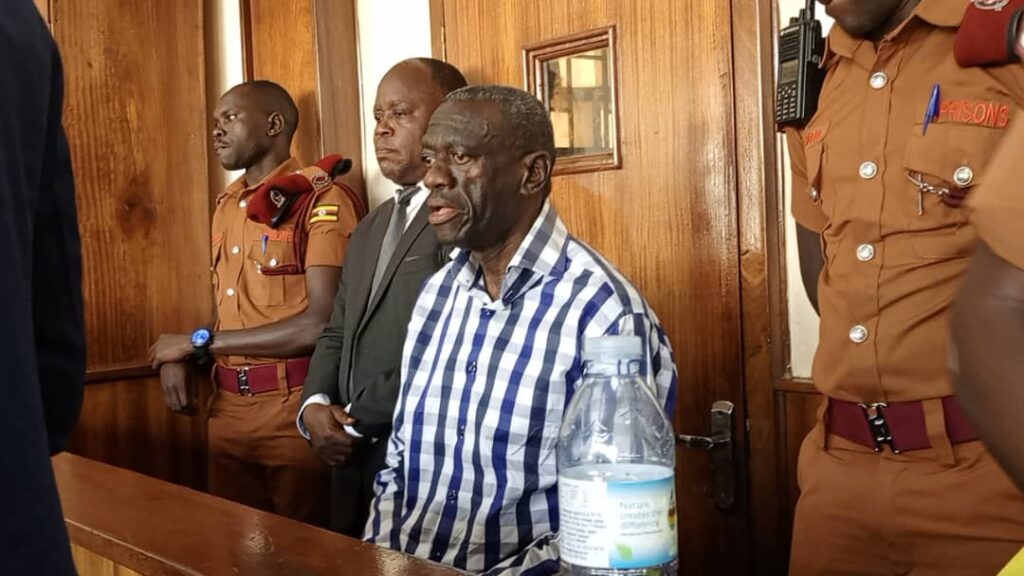
The systematic use of legal and extralegal measures to detain and intimidate opposition figures has created a climate where fear reigns supreme. Arbitrary arrests, often justified under vague charges of undermining national stability, reveal a government more concerned with silencing critics than engaging in genuine democratic reform. International human rights organizations have repeatedly condemned these practices, yet meaningful change remains elusive as the state apparatus continues to operate with little accountability.
The repercussions of this oppressive system are profound. When the mechanisms of power are weaponized to suppress free expression and political competition, the very essence of national progress is compromised. The Ugandan people, trapped in a cycle of fear and uncertainty, watch as their democratic aspirations are undermined by a regime that prioritizes its survival above all else.
Ultimately, the plight of Uganda’s opposition, exemplified by the relentless persecution of figures like Besigye and the strategic deployment of Museveni’s son in the military, highlights a broader crisis of governance. Until the government relinquishes its repressive tactics and embraces genuine political pluralism, Uganda will remain ensnared in the shadows of dictatorship and fear.