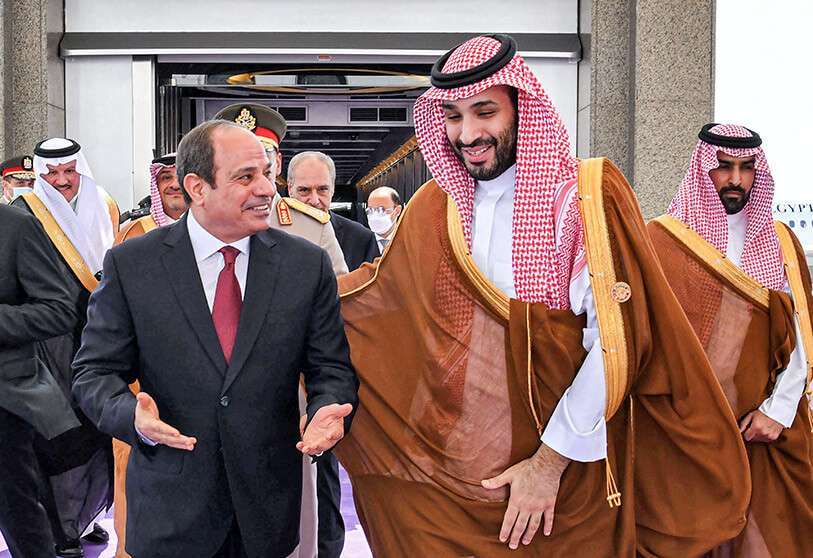
Under the leadership of Crown Prince Mohammed bin Salman (MBS), Saudi Arabia is undergoing unprecedented transformation. His ambitious Vision 2030 aims to diversify the economy beyond oil, modernize society, and reposition the kingdom on the global stage. However, questions abound: Is MBS pursuing a business-first agenda with the West, or is he prioritizing Arab and Palestinian solidarity? And is he reshaping Saudi Arabia into a Western-style state, untagging it from its Islamic identity?
MBS has taken significant steps to attract Western investment. Reforms such as allowing mixed-gender events, opening up the entertainment sector, and promoting tourism are clear signals that the kingdom is eager to modernize its economy and cultural landscape. The liberalization of economic policies, the easing of restrictions on foreign businesses, and the introduction of privatization initiatives indicate a deliberate effort to create a more business-friendly environment. Western investors have taken notice, and new capital is flowing into previously untapped sectors, suggesting that Saudi Arabia is pivoting towards a model that aligns closely with global economic practices.
Yet, despite these sweeping changes, MBS has not entirely forsaken his Arab roots. Saudi Arabia continues to assert its leadership in the Arab world, particularly on issues concerning Palestine. While the kingdom’s diplomatic rhetoric sometimes aligns with Western strategic interests, MBS has maintained a nuanced stance on regional politics. His government still vocally supports Palestinian rights and seeks to maintain a balance between economic modernization and traditional Arab solidarity. This dual approach is crucial for a regime that must cater to both domestic conservatives, who expect a preservation of Islamic values, and an international community that rewards economic liberalization.
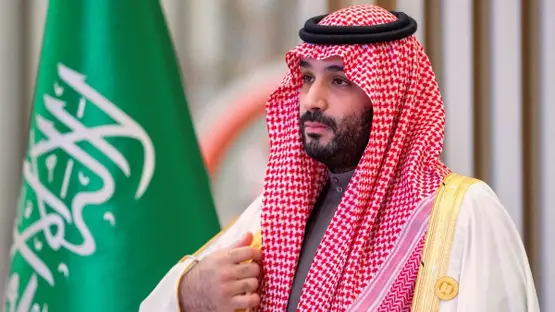
Critics argue that by pursuing Western-style reforms, MBS risks diluting the kingdom’s Islamic heritage. Cultural shifts, such as the introduction of cinemas and concerts, have sparked debate among traditionalists. However, supporters contend that these reforms are essential for progress and economic resilience. Rather than abandoning its Islamic identity, Saudi Arabia under MBS appears to be attempting a delicate rebalancing act—modernizing its economic framework while retaining a core connection to its Arab and Islamic heritage.
Ultimately, MBS’s vision for Saudi Arabia is neither wholly Western nor exclusively Arab. It is a hybrid model that seeks to harness global economic opportunities without severing longstanding cultural and political ties in the region. The path MBS is charting is complex, reflective of the broader challenges facing many nations in an increasingly interconnected yet ideologically diverse world. The success of this strategy will likely depend on his ability to navigate internal pressures and external expectations, ensuring that reform does not come at the cost of national identity.