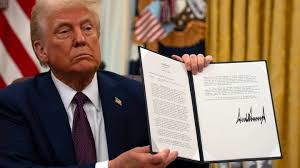
The recent U.S. policy shifts concerning South Africa, including the withdrawal of foreign aid and the offer of resettlement to Afrikaner farmers, have profound implications for the nation’s economic fabric. While these measures are ostensibly aimed at addressing historical injustices and current policy disagreements, their consequences may disproportionately affect the Afrikaner community, who stand to lose more than black South Africans, as they are the ones controlling the country’s economy, as such, Donald Trump’s “bullet” of suppressing black led ANC government, in its policies, has actually found a target in Afrikaners’ economic investment in the country
Afrikaner Economic Influence and Vulnerabilities
Afrikaners, constituting a minority of South Africa’s population, have historically held substantial economic power, particularly in agriculture and industry. The U.S. administration’s recent actions, including the suspension of foreign aid and the offer of resettlement to Afrikaner farmers, directly target this influential group. President Trump’s executive order, which halts aid in response to South Africa’s land expropriation policies, offers a “rapid pathway” to U.S. citizenship for Afrikaner farmers facing land seizures without compensation. This policy aligns with the controversial “white genocide” narrative, suggesting systemic targeting of white farmers, a claim debunked by experts (axios.com).
The exodus of skilled Afrikaner farmers could severely impact South Africa’s agricultural productivity, leading to food security concerns and economic instability. Professor Andre Thomashausen warns that such departures might drive up food prices and increase dependence on food imports, exacerbating economic challenges.
Impact on Black South Africans
Black South Africans, particularly those in rural areas, have long faced economic hardships and land dispossession. The ANC-led government’s land reform initiatives aim to address these historical injustices by redistributing land to Black citizens. However, the current land expropriation policies have led to tensions, especially with the Afrikaner farming community. The U.S. sanctions and aid withdrawal may inadvertently exacerbate economic challenges for Black South Africans, as disruptions in the agricultural sector could lead to food security issues and job losses.
ANC’s Foreign Policy and Its Repercussions
The African National Congress (ANC) has consistently demonstrated solidarity with the Palestinian cause, a stance rooted in its own history of anti-apartheid struggle and commitment to human rights (economist.com). This alignment has influenced South Africa’s foreign policy decisions, including the pursuit of legal action against Israel in international forums. While these positions resonate with certain global constituencies, they have also led to strained relations with countries like the United States, resulting in tangible repercussions such as aid withdrawal and diplomatic isolation.
The intersection of domestic policies and international relations has created a complex environment for South Africa’s diverse communities. The U.S. actions, while targeting specific grievances, may have unintended consequences that disproportionately affect the Afrikaner community, given their significant role in the economy. However, Black South Africans could also experience adverse outcomes, particularly if agricultural disruptions lead to broader economic instability. The ANC’s steadfast foreign policy positions, especially regarding Palestine, continue to influence the nation’s international standing and have direct implications for its citizens’ welfare. Navigating these challenges requires a nuanced approach that balances domestic aspirations with the realities of international diplomacy and economic interdependence.

