
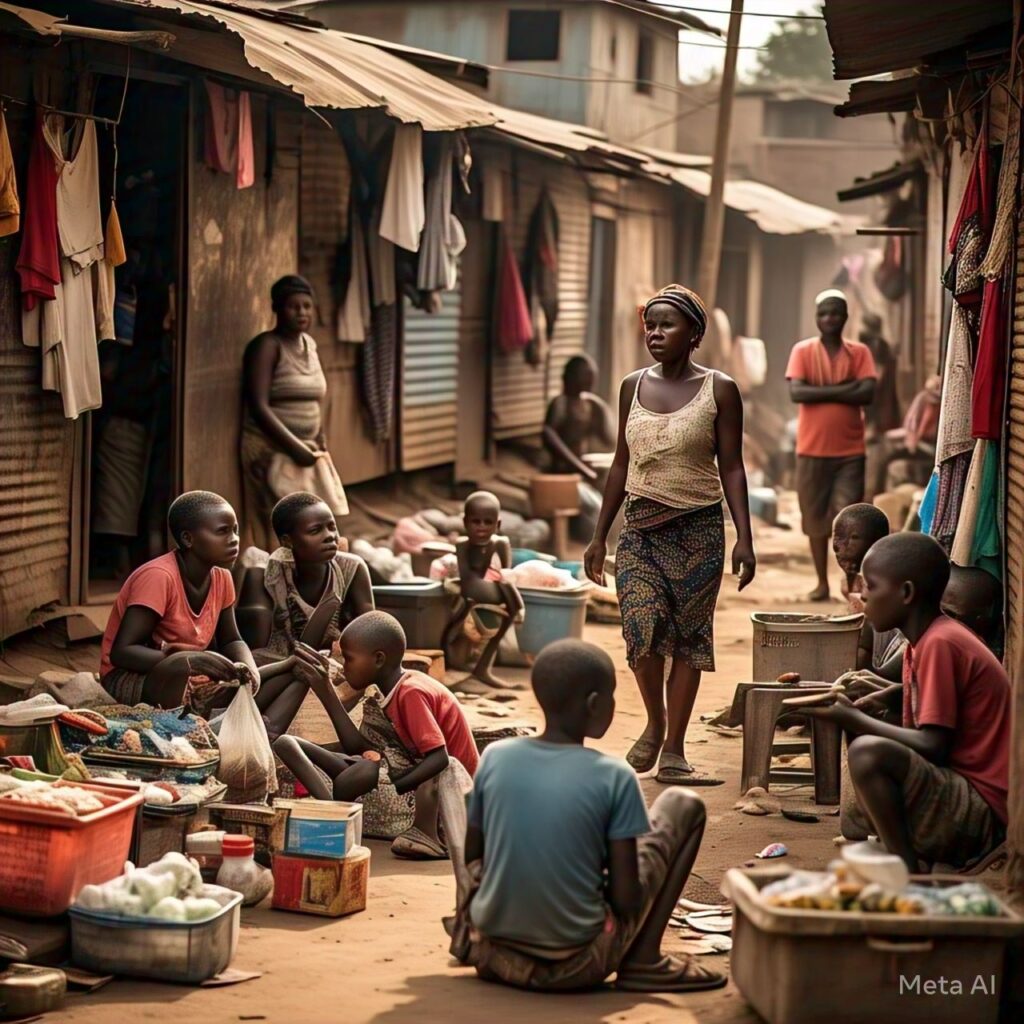
Africa is rich in natural resources, yet many of its citizens remain impoverished. Nigeria’s oil wealth, the Democratic Republic of Congo’s (DRC) vast minerals, and South Africa’s rich mining industry should have propelled these nations into economic prosperity. Instead, corruption, foreign exploitation, and poor governance have ensured that the wealth generated from these resources benefits a small elite while leaving the majority struggling.
Nigeria: Oil Wealth for the Few
Nigeria is Africa’s largest oil producer, yet its citizens continue to suffer from poverty, unemployment, and underdevelopment. The country’s dependence on oil exports has led to a corrupt system where revenues are mismanaged. A significant portion of oil wealth is siphoned off by politicians and elites, while multinational companies extract profits with little reinvestment in local communities. Meanwhile, environmental degradation in the Niger Delta has destroyed livelihoods, with local fishermen and farmers left in despair as oil spills and gas flaring make their lands unproductive. The people see little benefit from a resource that should have transformed their country.
DRC: A Land of Wealth and Woes
The Democratic Republic of Congo is home to vast reserves of cobalt, gold, and coltan—critical minerals for modern technology. However, the country remains one of the poorest in the world. Armed groups, foreign corporations, and corrupt leaders have turned mineral wealth into a source of conflict rather than prosperity. Profits from mining are funneled to elites and warlords, fueling instability while ordinary Congolese struggle with poverty and a lack of basic services. The exploitation of child labor in mining further exposes the human cost of these minerals, as international companies benefit from the suffering of local communities.
South Africa: Inequality in the Mining Industry
South Africa’s mining industry, particularly in gold and platinum, has long been a cornerstone of its economy. However, much like in Nigeria and the DRC, the wealth generated has not been evenly distributed. A legacy of apartheid-era policies and continued corporate dominance mean that mining profits remain in the hands of a few while workers endure low wages and poor conditions. Strikes and protests are common, as miners demand fair pay and improved living conditions. Despite its mineral wealth, South Africa still struggles with economic inequality and high unemployment.
The Resource Curse: A Continental Problem
The failure of Africa’s resource-rich nations to translate wealth into widespread development is often referred to as the “resource curse.” Instead of driving economic growth, resources have fueled corruption, environmental destruction, and conflict. Foreign interests, weak institutions, and poor governance have ensured that the continent’s vast wealth benefits external actors and domestic elites rather than ordinary citizens. Until African nations develop stronger policies to regulate resource management and prioritize public welfare, the paradox of wealth amidst poverty will continue to define the continent’s economic landscape.

