Since Russia’s invasion of Ukraine in February 2022, President Volodymyr Zelensky has earned global admiration for his leadership and resilience. However, as the war enters its third year, the reality is that Ukraine is facing significant challenges—not just in terms of territory, but in military resources, fatigue, and a shifting international landscape.
Military Stalemate
A key issue for Ukraine is the ongoing military stalemate. Despite support from Western allies, including weapons and financial aid, the front lines have remained largely unchanged. Ukraine has scored victories, such as the retaking of Kherson,
but fighting in the east, especially in Donbas, has been intense and costly. Russian forces have fortified their positions, and their superior firepower and numbers are difficult for Ukrainian forces to match.
krainian offensives have been slow and grueling, resulting in heavy casualties.
Resource Shortages
Ukraine continues to face significant shortages in military supplies like ammunition, tanks, and fighter jets. While the West has provided support, the scale of the aid has often been insufficient to counter Russia’s overwhelming military capacity. Meanwhile, Russia’s ability to replenish its stockpiles gives it a continual advantage. Ukraine’s economy, already under strain due to the war, faces inflation, unemployment, and the loss of infrastructure, further adding to the government’s reliance on foreign aid. The ongoing global financial crisis is beginning to affect the consistency and scale of this support.
Impact of Trump’s Presidency on Ukraine
Under former President Donald Trump, U.S.-Ukraine relations faced challenges. Trump’s administration had a strained relationship with European allies, and his public admiration of Russian President Vladimir Putin left Ukraine vulnerable. Early in his first term, Trump was reluctant to provide Ukraine with necessary military aid, which hurt the country’s preparedness for the invasion.
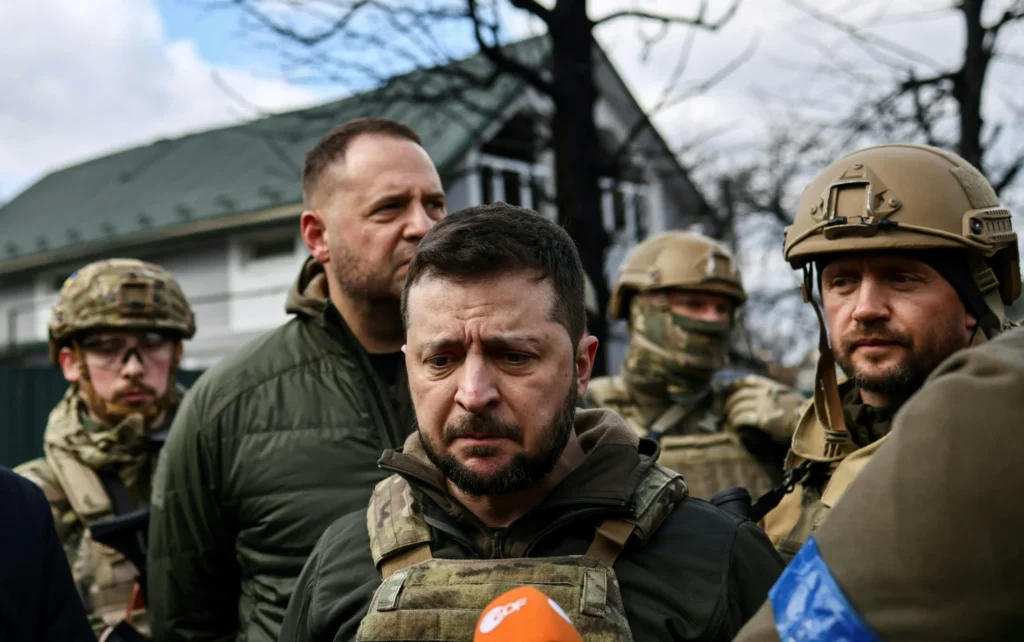
In his second term, Trump’s stance on Ukraine shifted drastically. In a contentious February 2025 meeting with Zelensky, Trump criticized Ukraine’s handling of the war and suspended all military aid. Additionally, Trump has advocated for Ukraine to make territorial concessions to end the war, which some see as an effort to prevent broader international escalation.
Trump has also proposed a change in NATO leadership, suggesting countries like the UK or France could take on a larger role, which would further reorient military alliances. These policy shifts have left Ukraine increasingly isolated.
Growing Fatigue and International Divisions
As the war continues, both the Ukrainian military and the international community are feeling the strain. Initial robust support is now waning, and some Western countries, facing economic challenges, are reconsidering their aid to Ukraine. Meanwhile, Zelensky is grappling with growing exhaustion among his people, who face constant air raids, economic hardships, and loss of life.
The global divide is widening, with countries like China and India remaining neutral while Russia strengthens ties with non-Western powers. This shifting international dynamic leaves Ukraine with fewer diplomatic options as it continues to face a conflict with no clear end in sight.