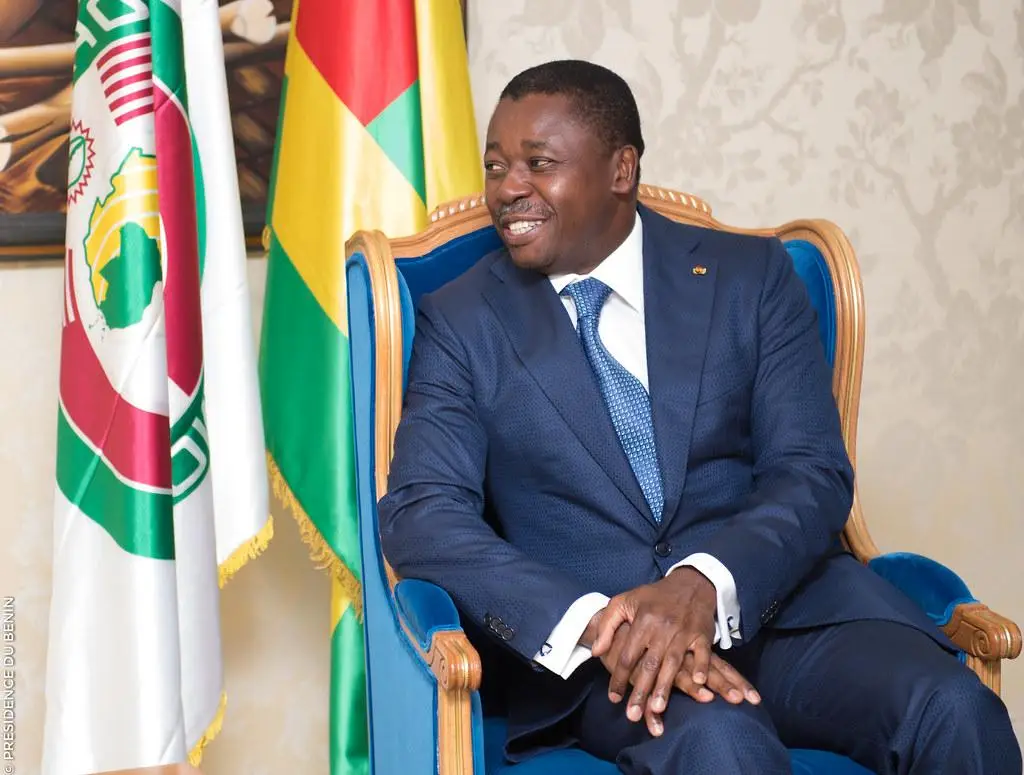

Togo has erupted. Across Lomé, young protestors, most under 30, have united around barricades of burning tires and concrete blocks, not merely to decry poverty, but to cast off a legacy of dynastic rule. Their demand: Faure Gnassingbé must go.
What triggered this uprising? First, a spike in electricity prices hit households already stretched by inflation and unemployment. “We’re hungry. Nothing works for Togolese youth anymore,”said Kossi Albert, a 30‑year‑old protester, echoing countless voices on the streets his economic squeeze was the straw that broke the camel’s back, but not the entire story.
“We’re hungry. Nothing works for Togolese youth anymore,”
The real catalyst was political: in May, Gnassingbé orchestrated what opposition parties rightly call a “constitutional coup”, transforming the presidency into a ceremonial role and creating a President of the Council of Ministers with no term limits, a masterstroke ensuring his grip on power “for life”. This power play was met with outrage. The rallying cry “Hands Off My Constitution” spread across social media, leading to mass demonstrations despite a 2022 protest ban.
By mid‑June, tensions had boiled over. Rapper‑activist Aamron’s arrest after satirical protest posts sparked renewed anger. Over 80 were detained in early June, many beaten or tortured, according to Amnesty International. Security forces responded with tear gas, batons, and even plain‑clothed militias, or “auxiliary forces”, storming homes to detain youth leaders.
Then came the bloodshed. NGOs report seven fatalities, including bodies dredged from lakes and swollen rivers, and over 60 arrests, underscoring the brutality of state response. Internet blackouts, media suspensions of RFI and France 24, and home invasions only deepened public fury.
At its heart, this is a youth rebellion. Over 70% of Togo’s population is under 35. Many are unemployed, digitally connected, and politically motivated. They’ve organized through Facebook, TikTok, and Twitter, outside party structures, spontaneously claiming space in Bè, Agoè, and other Lomé neighborhoods.
Their demands extend beyond bread and electricity. They call for release of political prisoners, restoration of protest rights, media freedom, and an end to dynastic succession. What they want is not chaos, it’s an accountable state that respects dignity and democracy. They’re saying loud and clear: “No more business as usual.”
transforming the presidency into a ceremonial role and creating a President of the Council of Ministers with no term limits,
To Africa’s entrenched leaders, the message from Togo is existential: your age and lineage no longer guarantee legitimacy. Across West Africa, youth-led movements are surfacing—reacting to cost-of-living crises, authoritarian backsliding, and rising censorship. From Bamako to Abuja, the formula is emerging: economic injustice + institutional power grabs + brutal repression = rebellion.
The stakes are continental. If the Gnassingbé dynasty survives this challenge, it will be a blow to democratic aspirations across the region. But if youth prevail, if they force release of prisoners, reversal of reforms, or new elections, Togo could set a precedent. Young Africans, digitally savvy and impatient, are reclaiming their political destiny.
This isn’t a protest, it’s a revolution in patience. For decades, Togo’s youth have been spectators to a political narrative written by fathers and soldiers. Now, they are writing their own. Africa’s future is not inherited, it must be earned, contested, defended. And Togo’s youth are doing just that.