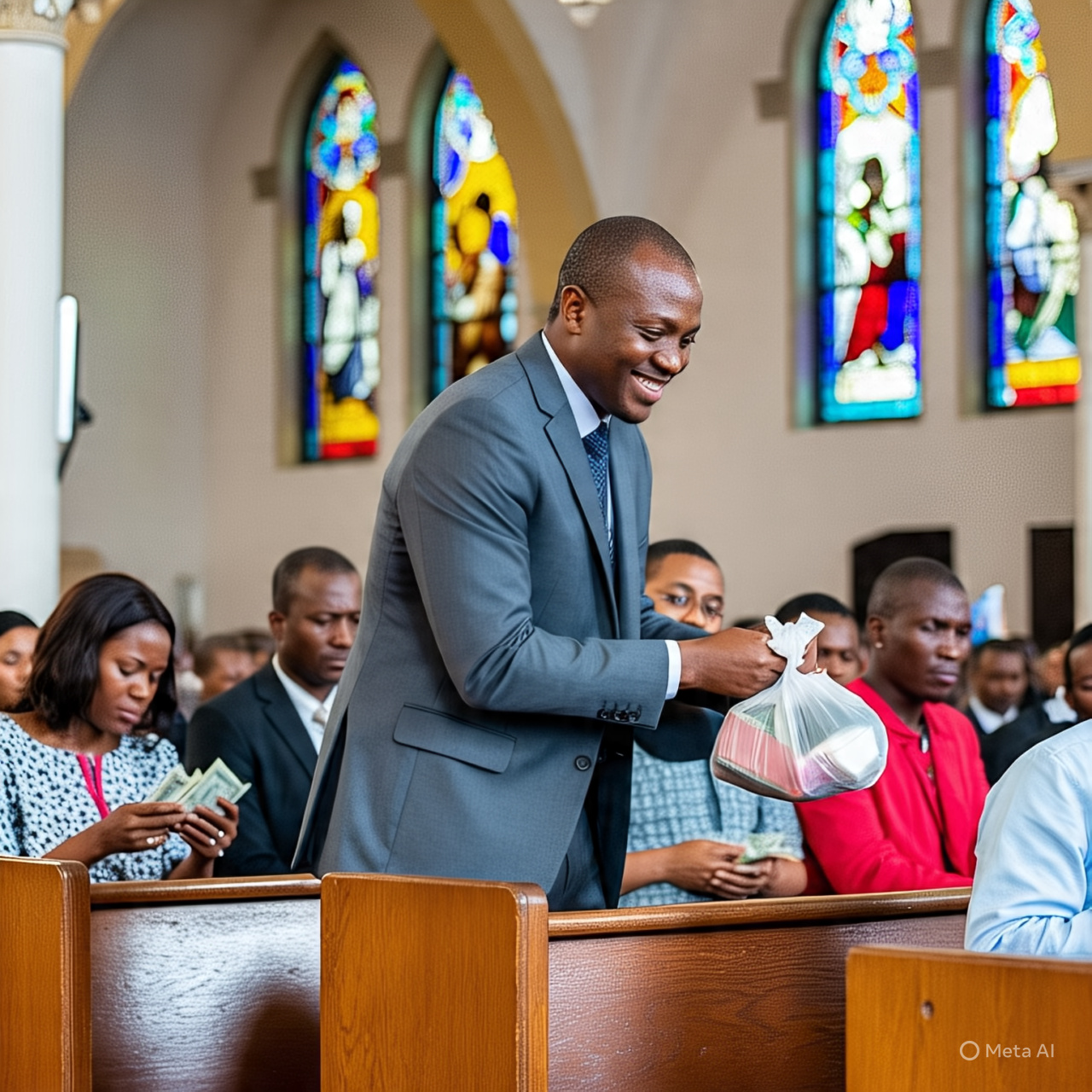
Across the African continent, a disturbing trend continues to gain momentum, the transformation of religion into a booming industry, with self-appointed pastors, prophets, and “men of God” turning faith into a lucrative business venture. These pastor-preneurs, as they are increasingly known, peddle false hope in the form of “miracle” products, empty promises, and theatrics. All the while, they live in opulence, while their impoverished followers sink deeper into debt, desperation, and disillusionment.
The allure of these religious charlatans lies in their ability to prey on the poor and desperate.
In societies plagued by unemployment, inadequate healthcare, and failing education systems, people are understandably looking for relief, any relief, from their hardship. These false prophets exploit this vulnerability by promising instant solutions to every conceivable problem: financial breakthroughs, miraculous healing, marriages, fertility, visa approvals, even resurrection from the dead. But these so-called miracles often come with a price, “appointment fees,” donations to the “man of God,” or purchasing of anointed items such as oils, water, candles, and handkerchiefs. In reality, it is the pastor-preneur who gets the breakthrough, not the congregants.
Take the case of the controversial self-proclaimed King Nala of South Africa, whose supposed divine powers include blessing oils and waters for sale, claiming they can attract wealth or chase away evil spirits. Meanwhile, he amasses wealth, luxury cars, and multiple wives, all under the banner of spirituality. It is hard to distinguish his ministry from a business empire.
Yet, thousands continue to follow him, hoping for miracles that never come.
South Africa has also seen scandals involving Shepherd Bushiri, who fled the country after being charged with fraud and money laundering, accused of fleecing his followers through investment scams. Prophet Mboro made headlines for claiming to have visited heaven and taken selfies with angels—an absurdity that was swallowed wholesale by his flock. He too, lives lavishly while his congregants continue to struggle.
In Kenya, Pastor Victor Kanyari built an empire by staging fake miracles, including using potassium permanganate to simulate bleeding wounds he claimed were being healed. He convinced followers to part with money for blessings and was exposed on national television. Yet, even after being exposed, Kanyari retained a loyal following, underscoring the powerful grip these figures have over the minds and hearts of the vulnerable.
In Uganda, Pastor Aloysius Bugingo once burned thousands of Bibles, claiming they were misleading, while using church funds for personal enrichment. Critics like Pastor Solomon Male have repeatedly called out these fraudulent figures, but often at the cost of threats and smear campaigns.
In Ghana, “Pastor” Chris Asante, better known as Abruku Abruka, sold “solution water” he claimed could miraculously deposit money in bank accounts or even heal terminal illnesses. Such absurdities would be laughable if they weren’t so tragically exploitative.
Nigeria is not immune either. Pastor Chris Oyakhilome of Christ Embassy has been widely criticized for promoting the prosperity gospel and linking faith to financial success. During the COVID-19 pandemic, he used his platform to spread misinformation, opposing vaccines and scientific advice, placing his followers at risk.
These individuals are not spiritual leaders, they are master manipulators running multi-million-rand operations cloaked in religion.
Their mansions, designer clothes, private jets, and luxury vehicles are funded by the very people they claim to help. Their flocks, in contrast, are often unemployed, hungry, and indebted, yet still urged to “sow a seed” in the hope of divine intervention.
So, why do people continue to fall for these scams? The answer lies in the depth of social and economic despair. When governments fail to provide, when communities lack jobs, schools, and clinics, the pulpit becomes a refuge. Unfortunately, it is increasingly a refuge hijacked by wolves in shepherd’s clothing.
Africa’s faith crisis is not about religion, it’s about exploitation. These so-called men of God are untrained, unaccountable, and often more dangerous than politicians. Until we demand regulation, transparency, and accountability from religious institutions, pastor-preneurs will continue to , not deceit.