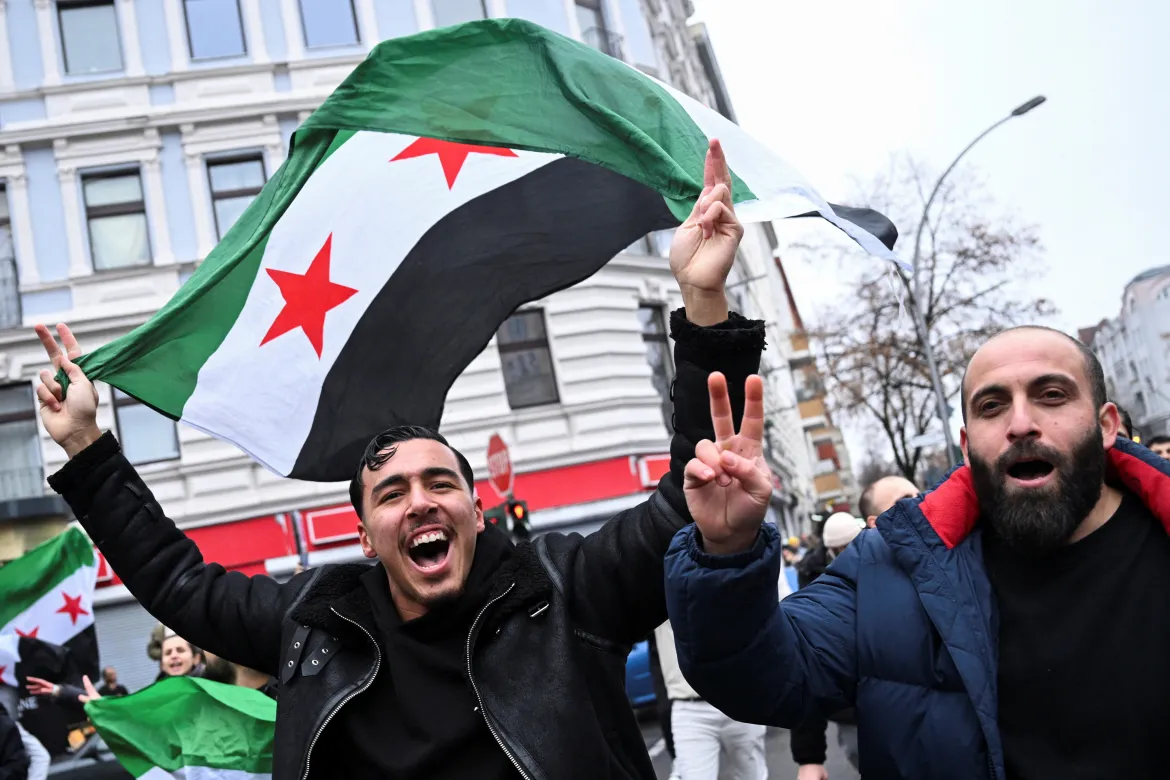
After years of brutal conflict and international intervention, the fall of Bashar al-Assad was once celebrated as the dawn of a new era for Syria. Yet, as the dust settles, the country appears to be descending into chaos—a failed state reminiscent of Somalia, where rival factions vie for power and regional players carve out their own territories.
Initially, Assad’s removal was seen as a necessary step toward liberating a people long oppressed by autocratic rule. Western powers and many Syrian opposition groups believed that ousting the brutal dictator would create space for democracy and reconstruction. However, the aftermath tells a far more complicated story. Instead of a smooth transition to democratic governance, Syria now grapples with a staggering power vacuum. Without a unifying force, numerous militias, extremist groups, and local warlords have taken control of different parts of the country, leading to a fractured political landscape and widespread suffering among civilians.
Yet, as the dust settles, the country appears to be descending into chaos—a failed state reminiscent of Somalia
The situation in Syria draws unsettling parallels with Libya after the 2011 NATO-backed removal of Muammar Gaddafi. Once hailed as a victory against tyranny, Gaddafi’s fall eventually plunged Libya into a prolonged state of lawlessness and factional warfare, with competing governments and militias battling for dominance. In a similar vein, the Syrian experiment in regime change seems to be replicating Libya’s tragic mistake—removing a dictator without establishing a clear, inclusive roadmap for post-conflict governance.
Complicating matters further, regional powers have stepped into the void, each pursuing their own strategic interests. Iran, Turkey, Russia, and various Gulf states have deployed military and political support to different factions, intensifying internal divisions and making national reconciliation even more elusive. Rather than witnessing a unified, democratic Syria emerge from the ruins, the nation has instead become a chessboard for proxy wars, with the ordinary Syrian paying the ultimate price.
So, was it worth removing Assad? The answer remains murky. While ending decades of authoritarian rule held undeniable appeal, the subsequent disintegration of state institutions and pervasive instability suggest that the cost may have been too high. Syria’s descent into a failed state echoes the Libyan experience, serving as a stark reminder that regime change, without a robust and inclusive framework for governance, can lead to prolonged chaos and human suffering.
In fact, the fall of Assad, rather than heralding a new beginning, has left Syria in a perilous state of disarray. The Syrian people now face the daunting task of rebuilding a fractured nation amidst relentless internal strife and external meddling—a somber legacy that continues to haunt the hopes of true liberation.