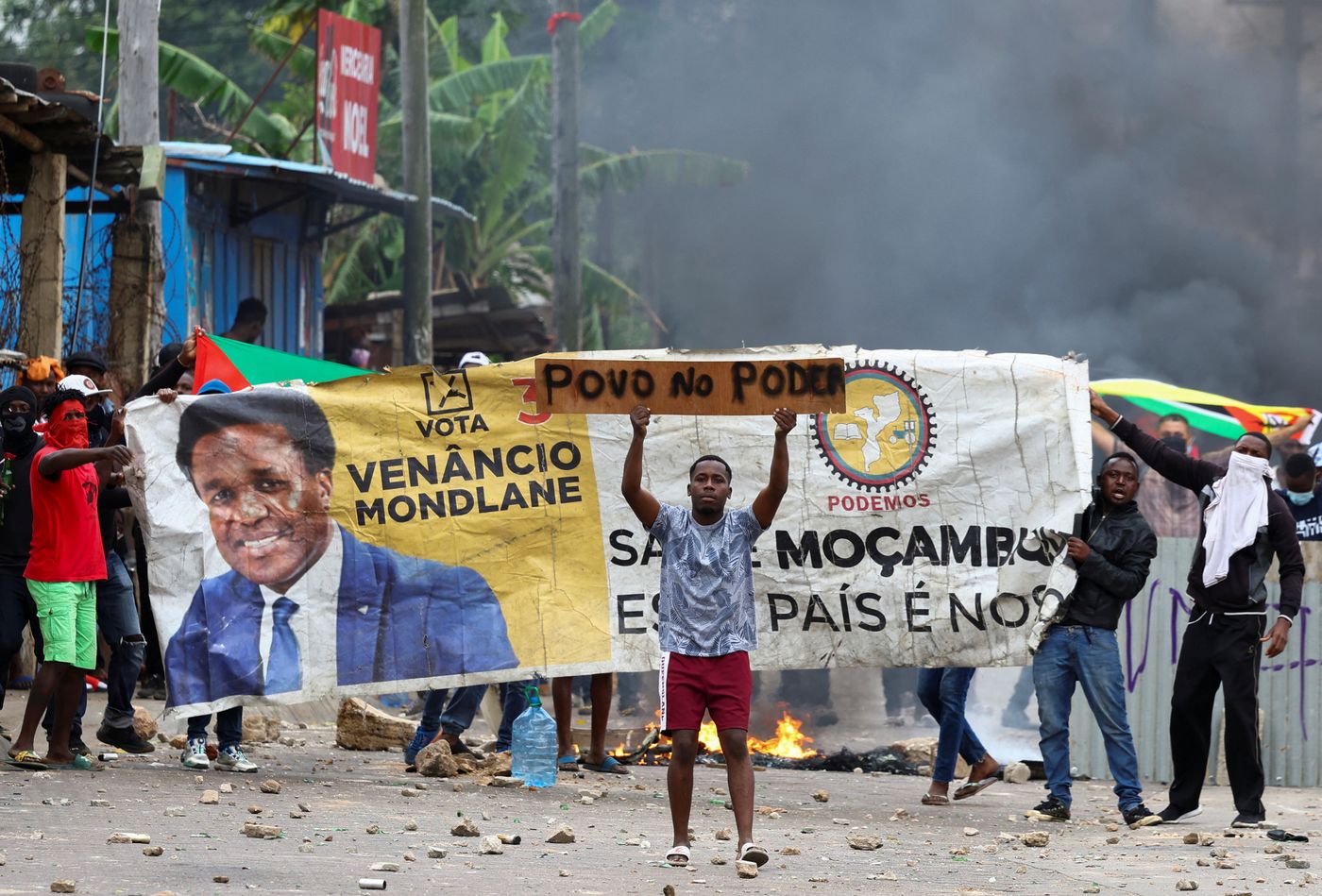

Mozambique finds itself at a crossroads, grappling with an intensifying political crisis that threatens to unravel decades of progress. The ruling FRELIMO party, which has dominated Mozambican politics since independence in 1975, faces mounting allegations of corruption, electoral fraud, and authoritarianism. The opposition, led by RENAMO and the newer MDM, has challenged FRELIMO’s grip on power, but the ruling elite remains entrenched, raising concerns about the future of democracy in the country.
Key Players in the Crisis
At the heart of Mozambique’s crisis is President Filipe Nyusi and his FRELIMO party, which has controlled the country since the end of Portuguese colonial rule. Nyusi’s administration has been accused of suppressing opposition voices, manipulating elections, and failing to address economic woes, including a hidden debt scandal that crippled the economy. RENAMO, once a rebel movement and now the main opposition party, continues to struggle for political space, often facing government crackdowns.
The crisis intensified following the contested 2019 elections, where Nyusi secured another term amid allegations of vote rigging and intimidation. RENAMO’s leader at the time, Ossufo Momade, disputed the results, but the government remained firm, pushing Mozambique further into political uncertainty.
Parallels with Kenya’s Political Struggles
Mozambique’s political turmoil echoes Kenya’s electoral crises in 2002 and 2007. In 2002, Kenya saw a peaceful transition when the ruling KANU party, which had dominated since independence, lost to the opposition. However, the 2007 elections were marred by violence, with allegations of vote manipulation leading to post-election clashes that killed over 1,000 people. The situation in Mozambique is different but carries a similar warning—when entrenched ruling parties refuse to allow genuine competition, instability is inevitable.
Mozambique also mirrors Zimbabwe’s long-standing rule by ZANU-PF and Angola’s MPLA, both former liberation movements that have resisted democratic transitions. These parties, like FRELIMO, justify their prolonged rule by citing their role in independence struggles, but their governance is increasingly questioned as economic and political conditions deteriorate.
Mozambique also mirrors Zimbabwe’s long-standing rule by ZANU-PF and Angola’s MPLA, both former liberation movements that have resisted democratic transitions.
Is It Time for Liberation Movements to Step Down?
The crisis in Mozambique reignites the broader debate on whether Africa’s liberation movement parties have outlived their relevance. While they played a crucial role in securing independence, their continued dominance often results in authoritarianism, corruption, and electoral manipulation. Countries like Zambia and Ghana have successfully transitioned away from liberation-era parties, fostering more democratic governance.
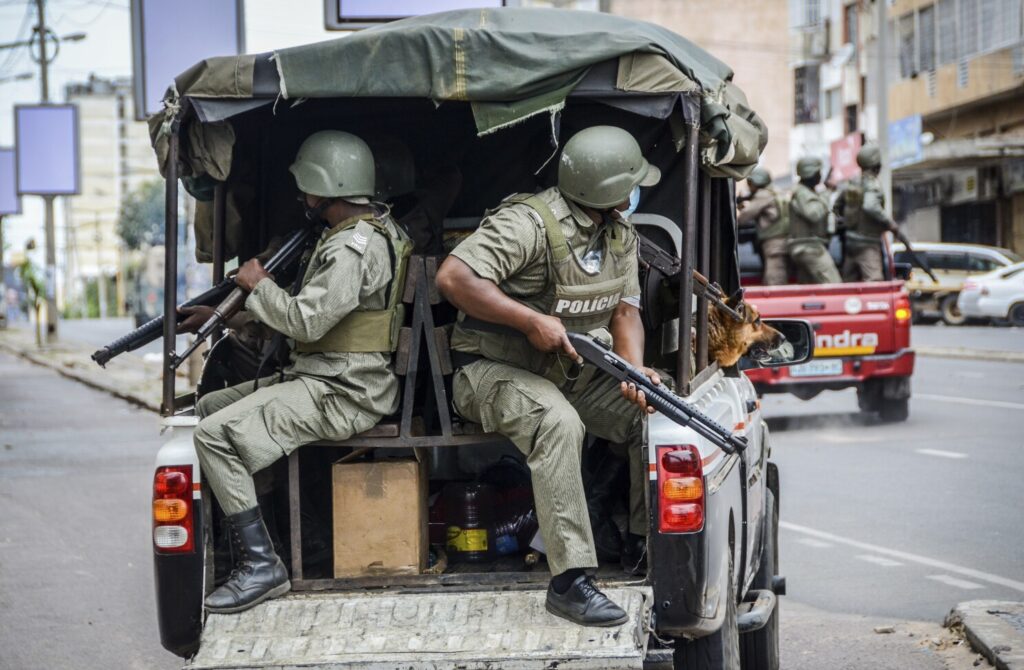
For Mozambique to avoid further crisis, FRELIMO must embrace true political competition and governance reforms. The international community and regional bodies like the African Union must also push for electoral transparency and accountability. The era of indefinite rule by former liberation movements must end if Africa is to achieve lasting democracy and stability.