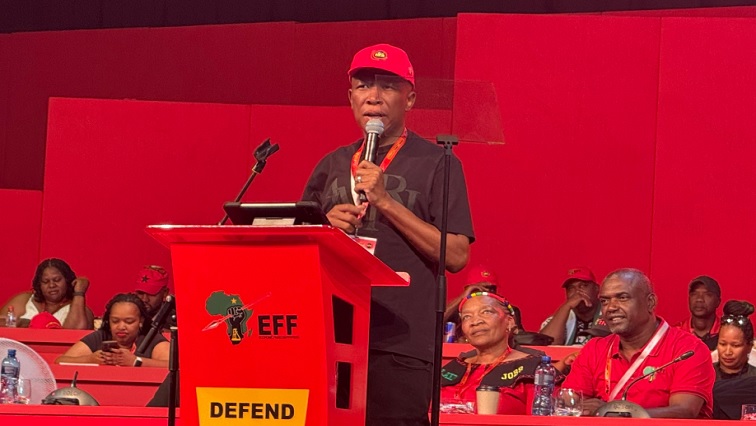
Julius Sello Malema, the firebrand leader of the Economic Freedom Fighters (EFF), has emerged as one of the most influential political figures in South Africa. His radical rhetoric, unfiltered criticism of the establishment, and unwavering stance on economic justice have made him a powerful force in shaping the country’s political landscape. Whether one sees him as a populist agitator or a visionary leader, there is no denying Malema’s impact on both domestic and continental politics.
At the heart of Malema’s appeal is his uncompromising advocacy for economic freedom. He has positioned himself as the champion of land redistribution, nationalization of key industries, and economic empowerment of the Black majority. His message resonates with South Africa’s marginalized communities, particularly the youth, who feel abandoned by the ruling African National Congress (ANC) and disillusioned by the slow pace of economic transformation. By demanding radical economic change, Malema has forced mainstream parties to address issues they would have otherwise ignored.
Malema’s ability to command attention extends beyond South Africa. His pan-Africanist rhetoric, which calls for African unity, self-reliance, and resistance to neo-colonial influence, has earned him admiration across the continent. He has openly challenged Western interventions in Africa, criticized foreign exploitation of African resources, and called for stronger economic and political ties between African nations. His outspoken stance has positioned him as one of the most recognized and influential African statesmen of his generation.
when the Africa’s book of history is written, Malema’s legacy will be in the same chapters with those of Thomas Sankara, Tom Mboya, Steve Biko, Ibrahim Traore, among other gallant African leaders.
Despite his growing influence, Malema remains a highly polarizing figure. His critics accuse him of inciting racial division, economic instability, and political extremism. His confrontational style, while effective in mobilizing support, has also alienated sections of the electorate who view him as a disruptor rather than a unifier. Furthermore, his leadership of the EFF has not been without controversy, as allegations of corruption and internal party disputes continue to surface.
Regardless of one’s stance on Malema, his impact on South African politics is undeniable. He has reshaped political discourse, challenged the status quo, and forced uncomfortable but necessary conversations on economic justice and racial inequality. As his influence continues to grow both locally and across Africa, it remains to be seen whether he will translate his revolutionary rhetoric into tangible governance or remain a disruptive force in opposition. Either way, Julius Malema has cemented his place as a defining political figure in modern African history, and whether or not he eventually becomes South Africa’s president, when the Africa’s book of history is written, Malema’s legacy will be in the same chapters with those of Thomas Sankara, Tom Mboya, Steve Biko, Ibrahim Traore, among other gallant African leaders.