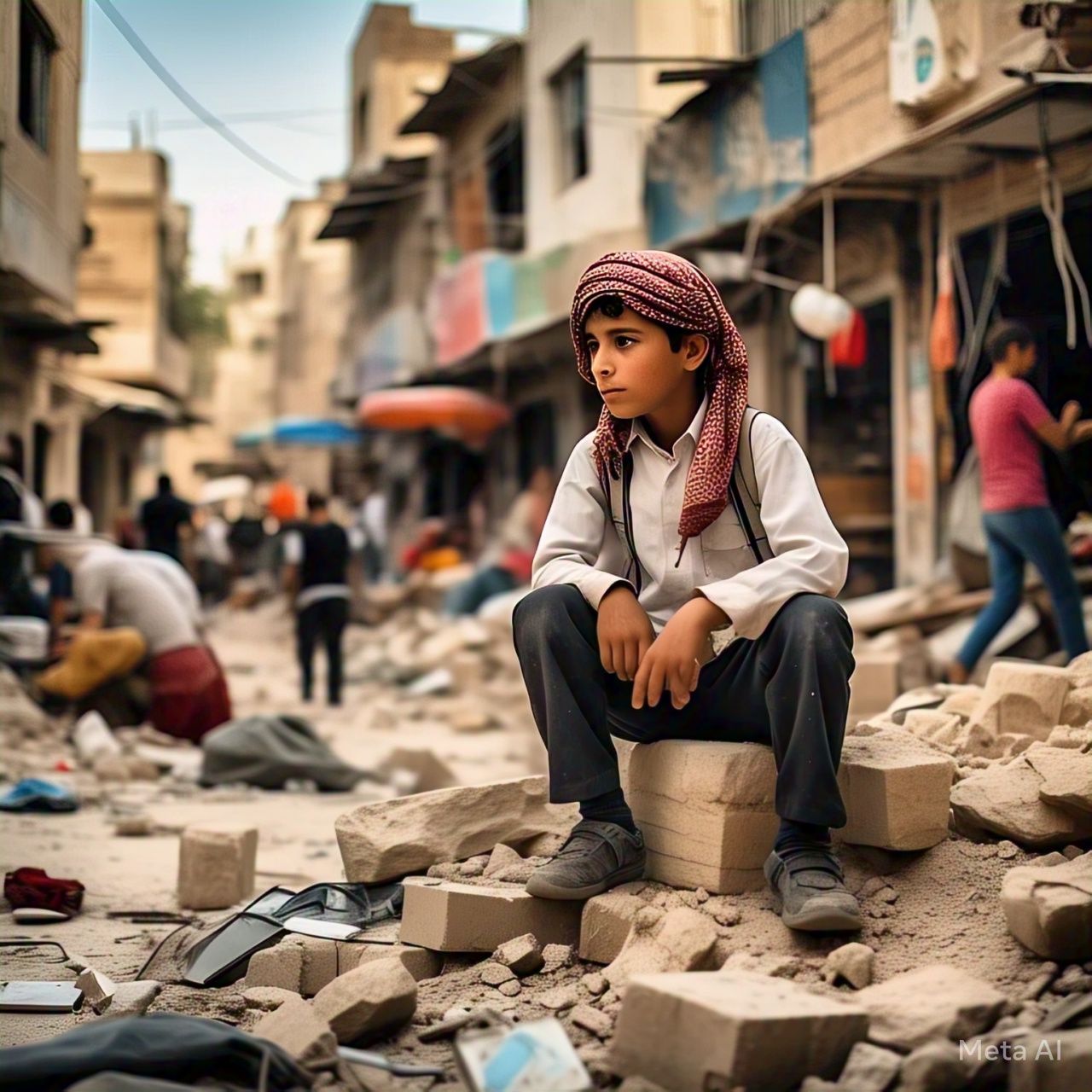
The ongoing conflict between Israel and Gaza has sparked a cycle of violence that not only devastates the region but also breeds new generations of resistance fighters, including figures like Yahya Sinwar. As Israel’s military aggression continues to target Gaza, it inadvertently fuels the creation of a new wave of young leaders committed to resisting occupation, many of whom share the same ideology and determination as Sinwar, the current leader of Hamas in Gaza.
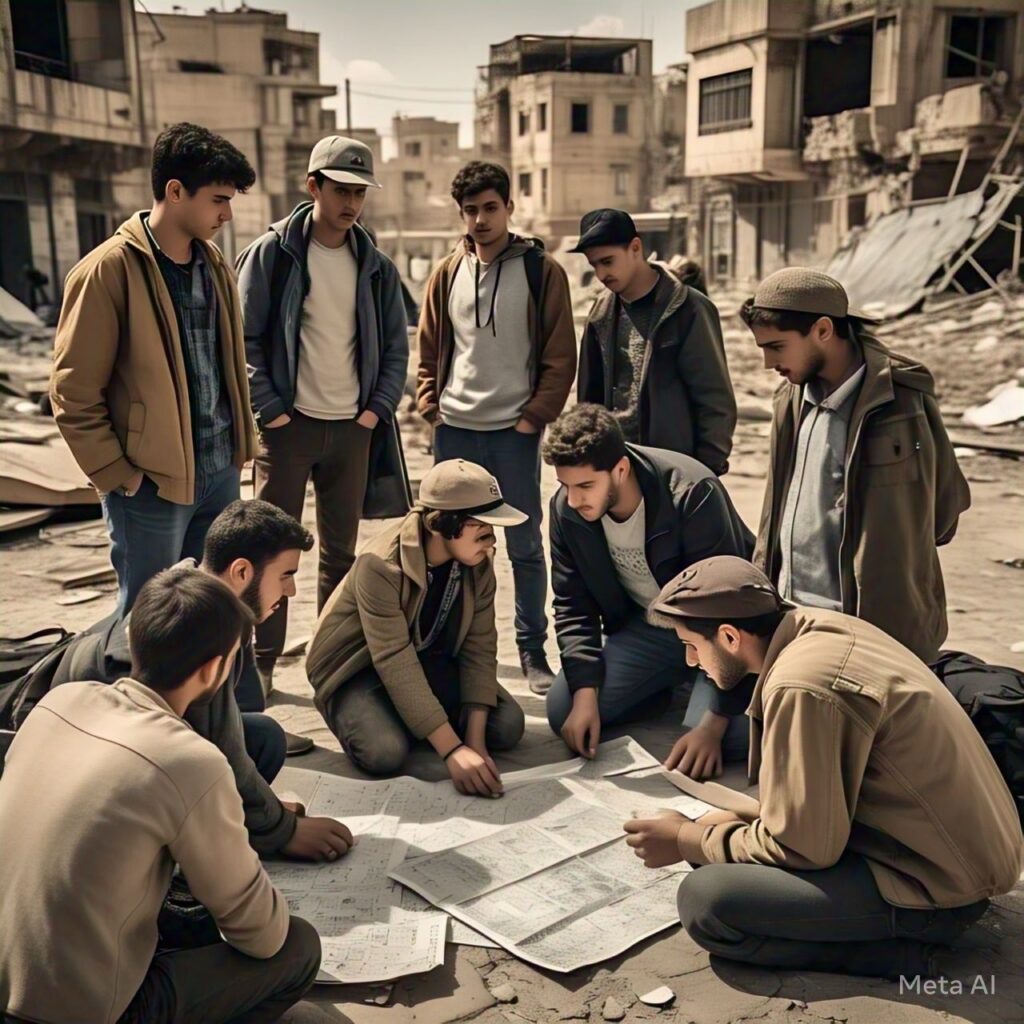
Yahya Sinwar, a key figure in Hamas, was born in 1962 in Khan Yunis, a city in southern Gaza. He rose to prominence through his involvement in militant activities during the First Intifada, and by the 1990s, he had become a central figure within Hamas. Sinwar’s leadership, defined by his unwavering commitment to armed resistance, has made him both a hero to some and a villain to others. His rise can be directly linked to the circumstances of Gaza’s brutal occupation and the Israeli military’s ongoing aggression against Palestinians.
Israel’s relentless military campaigns in Gaza, marked by airstrikes, blockades, and assaults on civilian infrastructure, have bred a deep sense of resentment and desperation. For the youth of Gaza, many of whom have grown up amidst the constant threat of death and destruction, Sinwar’s resistance narrative resonates strongly. He embodies the spirit of defiance against what many see as an unjust occupation.
The heavy-handed approach taken by Israel has only intensified these sentiments. With each military escalation, Israel’s actions push more young people in Gaza towards radicalization. Sinwar, who spent years in Israeli prisons before his release in a 2011 prisoner swap, became a symbol of resistance. His journey from a prisoner to the head of Hamas showcases how Israel’s actions have inadvertently shaped the trajectory of Gaza’s leadership and its youth’s mindset.
As Israel’s military aggression continues to target Gaza, it inadvertently fuels the creation of a new wave of young leaders committed to resisting occupation
While Israel views Sinwar as a threat due to his leadership of Hamas and the organization’s militant stance, many in Gaza see him as a symbol of resilience, someone who has stood firm against Israeli military aggression. His leadership continues to inspire a generation of young Gazans who see armed resistance as their only path to dignity and freedom. For them, Sinwar’s narrative is not merely about violence but about survival, resistance, and the fight for an identity that has been marginalized for decades.
Israel’s continued aggression in Gaza will likely perpetuate this cycle, ensuring that future generations of young leaders, inspired by figures like Yahya Sinwar, will emerge. The longer the violence continues, the stronger the resolve of those who resist it, potentially leading to an unbreakable cycle of conflict that will take much more than military power to resolve. The real challenge lies in addressing the root causes of the conflict: the occupation, the deprivation of basic rights, and the quest for justice. Without these being addressed, the rise of figures like Sinwar is inevitable.