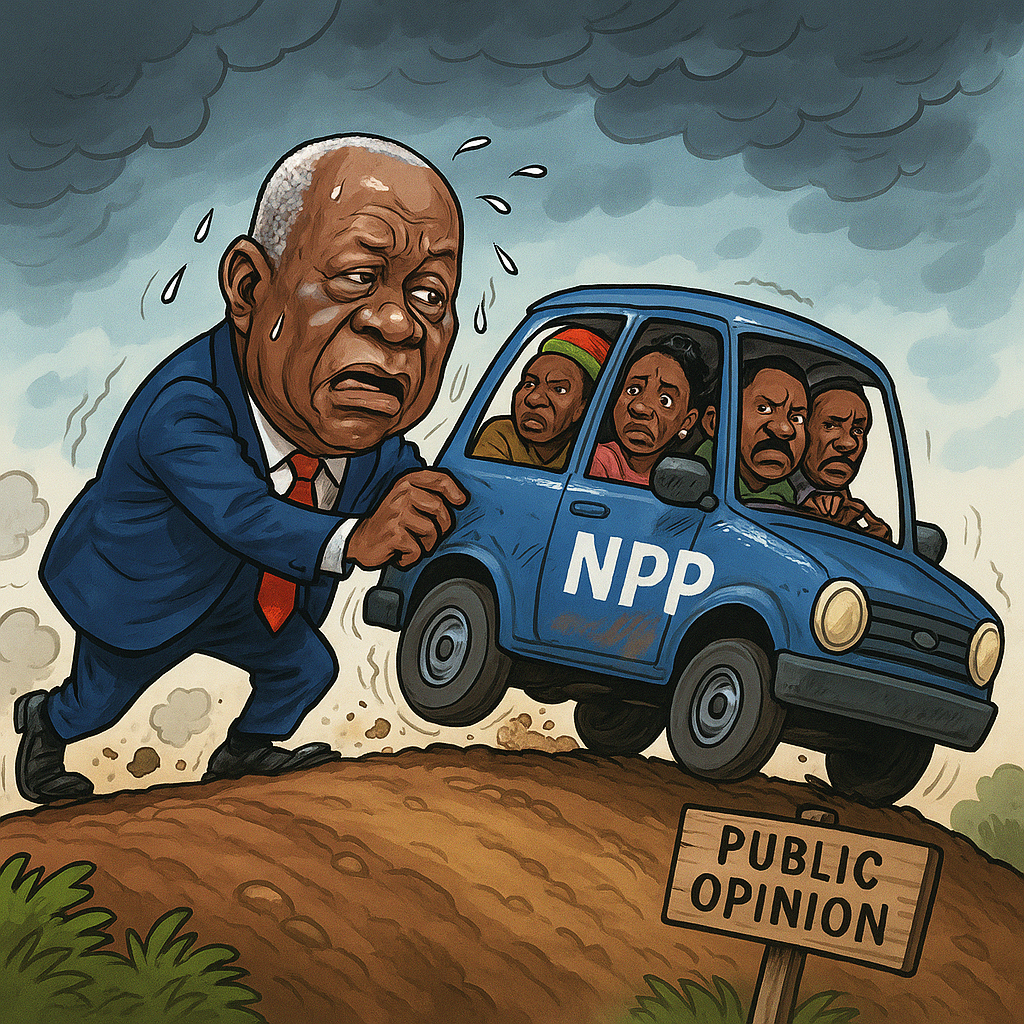

In a turn of events that has left many Ghanaians both angry and disillusioned, the New Patriotic Party (NPP), once hailed as the party of economic progress and youth inclusion, appears to be retreating from its own promises. In early May 2025, the government, under the leadership of President John Dramani Mahama, quietly pushed through a fuel tax increase that sparked widespread public outrage. The hike came at a time when inflation is still biting, youth unemployment is at record highs, and millions of Ghanaians are struggling to make ends meet.
This abrupt policy shift is not only economically painful but symbolically loaded: it marks yet another broken promise in a long and growing list.
The NPP’s 2024 election campaign was built on populist rhetoric: pro-poor policies, job creation, digital economy empowerment, and relief from high living costs. These pledges resonated deeply with young voters and informal workers, those who have historically borne the brunt of structural inequality. The campaign even borrowed stylistically from Kenya’s United Democratic Alliance (UDA), where William Ruto rose to power with his ‘hustler’ narrative, an appeal to the underprivileged masses and unemployed youth. But as in Kenya, where disillusionment led to the dramatic storming of Parliament by Gen Z protesters in 2023, Ghana now faces its own reckoning with populist betrayal.
The decision to raise fuel levies was especially jarring, given the global cost-of-living crisis and the Ghanaian cedi’s ongoing depreciation. Commuters, traders, and transport operators were the first to feel the sting. Fuel price hikes trickle into every aspect of daily life, transport fares, food prices, utility bills, causing ripple effects that disproportionately affect the poor. What’s worse is the lack of transparency surrounding the decision. The NPP’s justification, that the increase would fund infrastructure and debt repayment, feels hollow against a backdrop of bloated public spending and unresolved corruption scandals.
The parallels with Kenya’s UDA party are striking and troubling. Ruto, much like Ghana’s ruling leadership, positioned himself as the people’s president, only to implement taxes that disproportionately hurt the same demographic that put him in power. From increased mobile money levies to VAT hikes, UDA’s populist mask slipped quickly, revealing a neoliberal austerity agenda. Ghana appears to be heading down the same road, and the consequences may soon mirror Kenya’s youth-led uprisings.
Ghanaians are asking hard questions: If this is the leadership we chose to escape economic decline, what happened to accountability? Where is the economic transformation promised? The government has fallen into a familiar trap, overpromising during elections and underdelivering in governance. There’s also a growing perception that the NPP has lost its way ideologically. Once champions of entrepreneurship and private sector development, they are now seen as technocratic, out of touch, and hostile to dissent.
The youth, once energised by digital start-up grants, social enterprise initiatives, and education reforms, now face stagnant job markets and rising costs of living. Informal workers, the very ‘hustlers’ that the party claimed to represent, are drowning in taxes while elites remain untouched. There is no clear signal from the government that it understands the gravity of this discontent. Instead, it is pushing citizens further into fatigue and apathy.
This moment is a test not just of the NPP’s survival, but of Ghanaian democracy itself. Will the government corr
More importantly, will the youth rise, as they did in Kenya, and demand accountability?
What is clear is that the age of hollow populism is nearing its expiration date. Citizens are not fooled by slogans or symbolic gestures. They want substance, stability, and sincerity. If Ghana’s leaders continue down this path of economic betrayal, they may soon face the same fate as others who underestimated the intelligence and power of an informed, connected, and deeply frustrated populace.