In recent years, Nigerian music has exploded beyond the borders of West Africa, capturing the attention of global audiences and reshaping the soundscape of contemporary music. Once confined to local airwaves and African parties, Afrobeats and other Nigerian genres now pulse through international charts, festival stages, and fashion runways.
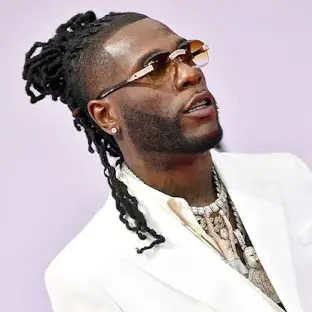
At the forefront of this cultural wave are Nigerian superstars who have become household names worldwide. Burna Boy, a Grammy Award winner, is praised for his fusion of Afrobeat, reggae, dancehall, and hip hop, with powerful lyrics that reflect both pride and protest. Wizkid, whose collaboration with Drake on “One Dance” broke records, continues to headline shows from Lagos to London. Tems, with her soul-stirring voice and breakout feature on Wizkid’s “Essence,” has since worked with artists like Beyoncé, Future, and Rihanna.
Davido, another Afrobeats juggernaut, has consistently produced hits that blend infectious rhythms with relatable storytelling. His 2023 album Timeless garnered critical acclaim and commercial success. Up-and-coming stars like Rema and Ayra Starr are also making waves, with Rema’s “Calm Down” remix featuring Selena Gomez topping charts globally.
What makes Nigerian music, and its musicians, so unique? At its core is a rich cultural heritage rooted in rhythm, storytelling, and resilience.
From the legendary Fela Kuti’s politically charged Afrobeat to the contemporary Afrobeats movement, Nigerian music has always carried the pulse of its people. It’s bold, layered, and irresistibly danceable, yet often underscored with messages of struggle, triumph, and love.
Language plays a powerful role too. Nigerian artists effortlessly blend English with Pidgin, Yoruba, Igbo, and other indigenous languages, creating a sound that is both local and universally resonant. The beat patterns, heavy percussion, syncopated rhythms, and vibrant melodies—carry an unmistakable African identity that feels both authentic and modern.
Moreover, Nigerian musicians are masterful at collaboration. By partnering with international stars and leveraging global platforms like YouTube, Spotify, and social media, they’ve created cultural bridges that transcend geography. Their fashion sense, visual storytelling, and brand identities are also influencing global pop culture.
The rise of Nigerian music is not just a moment; it’s a movement. As the world tunes in, Nigeria continues to redefine the global music narrative—loud, proud, and unstoppable.
Afrobeats isn’t just a genre. It’s a statement. And Nigeria is its beating heart.