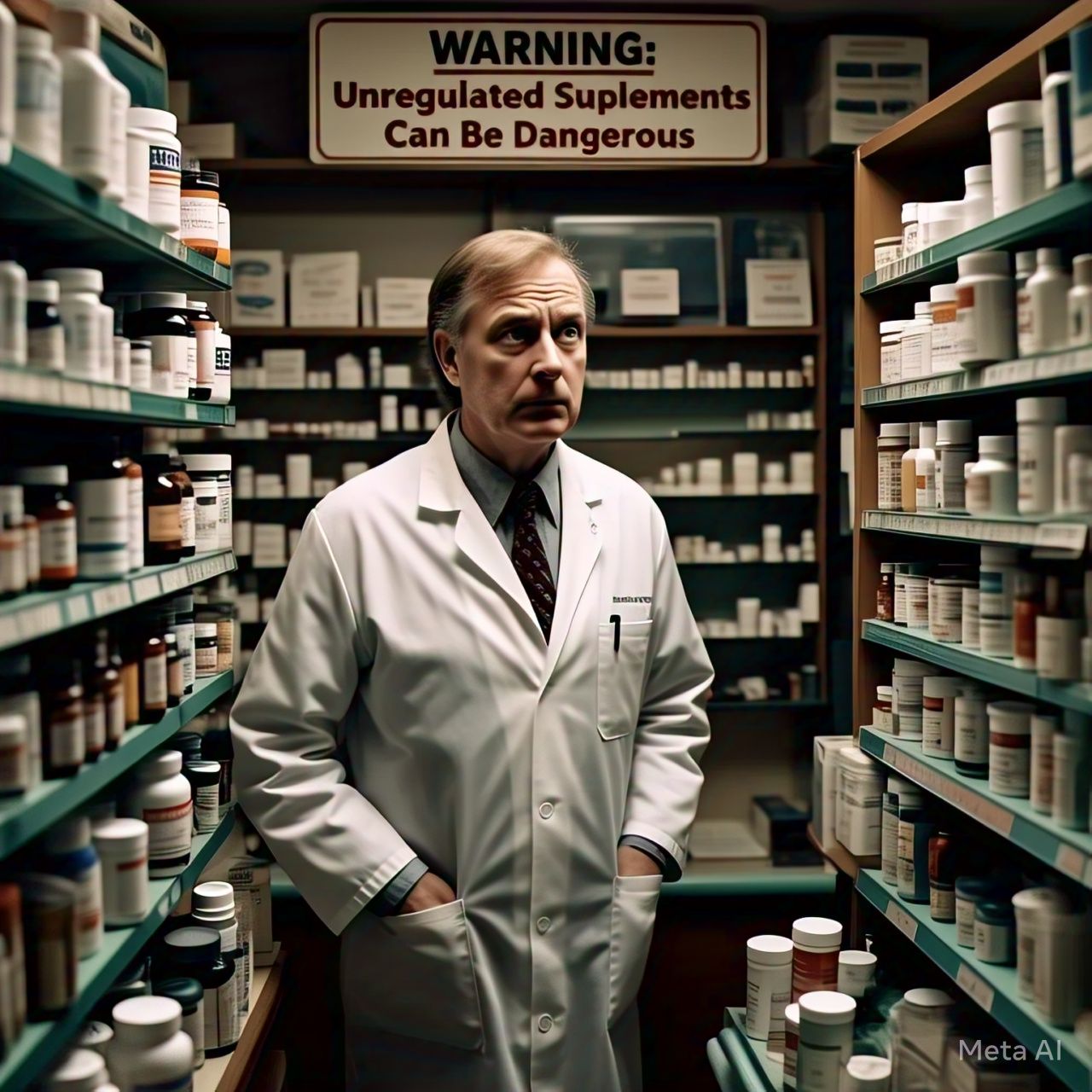
A Global Market of Promises and Perils
The global market for multivitamins and herbal medicines has exploded in recent years, with millions of people turning to these supplements for everything from boosting immunity to treating chronic illnesses. Advertisements flood social media and online platforms, promising miraculous cures for conditions that even conventional medicine struggles to treat. Yet, the lack of proper regulation, testing, and verification of these products raises serious concerns: Are we blindly trusting remedies that could do more harm than good?
A Dumping Ground for Unverified Remedies
Herbal medicines and multivitamins are often marketed as “natural” and “safe,” appealing to consumers looking for alternatives to conventional pharmaceuticals. However, many of these products are manufactured in countries with weak regulatory oversight and then exported worldwide without rigorous safety checks. As a result, the global market has become a dumping ground for questionable supplements that may contain harmful substances, incorrect dosages, or even undisclosed pharmaceutical ingredients.
Unlike conventional drugs, which undergo extensive clinical trials before approval, many herbal remedies and dietary supplements enter the market without any scientific validation. The lack of mandatory testing means that consumers are left to trust manufacturers’ claims without knowing whether the product is effective or even safe.
Several studies have found dangerous contaminants in herbal medicines and dietary supplements
The Risk of Toxicity and Contamination
Some have been found to contain heavy metals such as lead, arsenic, and mercury, posing severe health risks when consumed over time. Others have been laced with steroids or prescription drugs, leading to dangerous side effects.
For example, a 2019 study conducted in the United States revealed that nearly 800 dietary supplements contained hidden pharmaceutical ingredients, some of which were linked to serious health complications such as liver failure, kidney damage, and cardiovascular issues. In another alarming case, Ayurvedic herbal medicines from India were found to contain toxic levels of lead, putting thousands of consumers at risk of poisoning.
Miracle Cures or Misleading Claims?
The rise of herbal medicines and multivitamins has also fueled misinformation. Many products claim to cure diseases such as diabetes, cancer, or even COVID-19, often without any scientific basis. Desperate consumers, disillusioned with conventional medicine, may turn to these unverified treatments and delay seeking proper medical care—sometimes with fatal consequences.
A striking example is the promotion of certain herbal treatments during the COVID-19 pandemic. Several untested remedies were marketed as “guaranteed cures,” leading to widespread use despite warnings from health authorities. In some cases, patients who relied on these alternatives suffered severe complications or even lost their lives due to the lack of real medical intervention.
The Need for Stronger Regulations
Governments and health organizations must step up efforts to regulate the booming supplement industry. Stronger policies, mandatory testing, and stricter quality control are needed to protect consumers from dangerous products. Public awareness campaigns can also play a crucial role in educating people about the risks of unverified herbal medicines and supplements.
While herbal medicine has its place in traditional healing, it should not replace scientifically tested treatments. Consumers must approach alternative medicine with caution, verify the credibility of products, and consult healthcare professionals before using supplements.
In the end, the world must move beyond blind trust and demand accountability from the supplement industry. Until then, millions will continue to gamble with their health—sometimes with irreversible consequences.