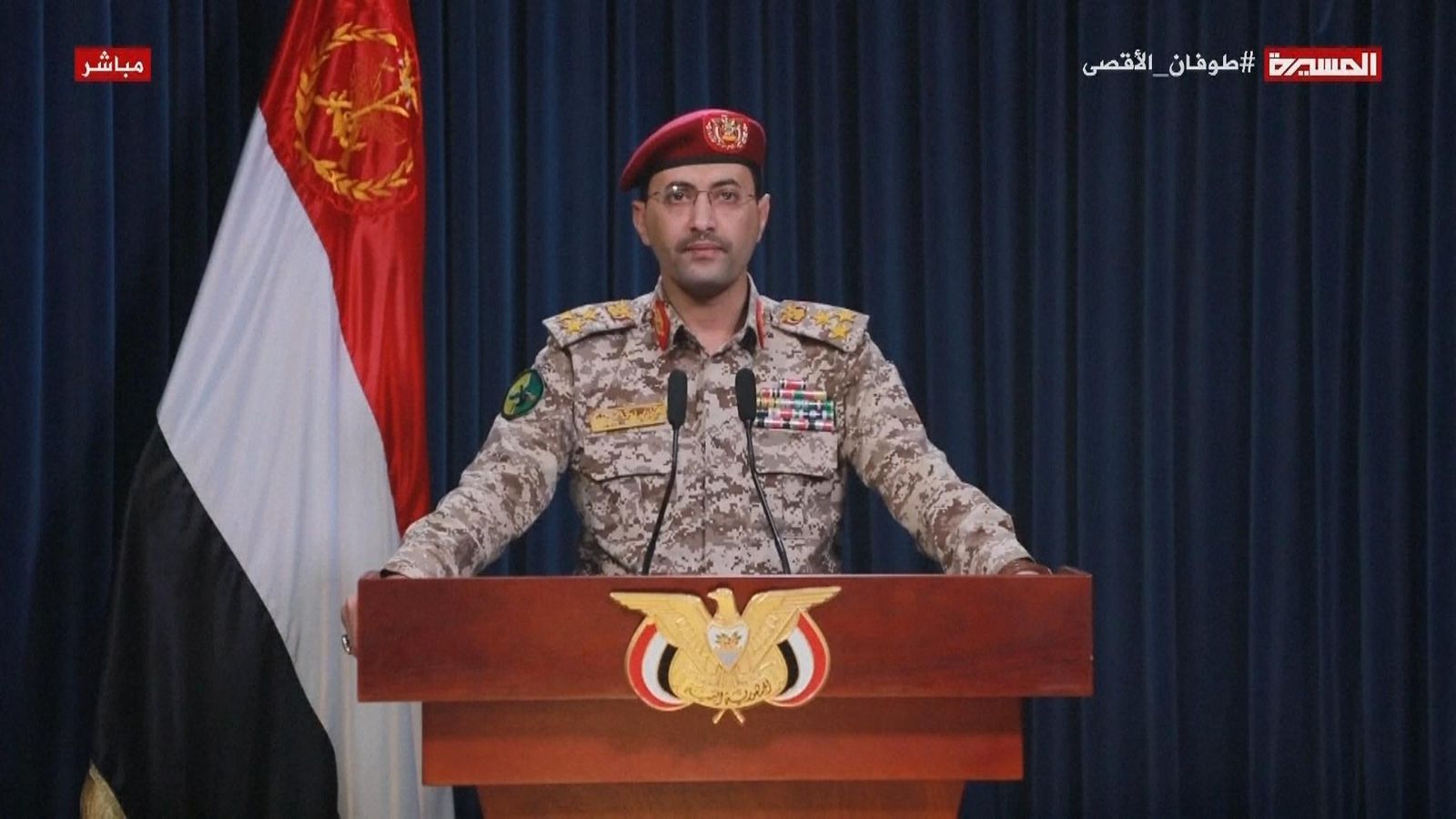

In an age where billion-dollar defense budgets define global power, the Houthis of Yemen—barefoot warriors from the highlands—have emerged as an unlikely force confronting the might of the United States and its allies. From launching drone strikes to disrupting Red Sea trade routes, this ragtag movement has gone from local insurgents to regional disruptors, and arguably, defenders of the Palestinian cause.
To understand Houthi resilience is to understand the power of ideology, desperation, and asymmetrical warfare. Born from decades of marginalization in northern Yemen and fueled by a deep-rooted religious identity, the Houthis are not just fighting with weapons—they’re fighting with purpose. Their slogan—“Death to America, Death to Israel, Curse on the Jews, Victory to Islam”—might be provocative, but it reflects a worldview that sees them as part of a broader struggle against Western imperialism.
But this is no longer just about slogans. The Houthis stunned observers when they overran large swaths of Yemen, defeating a Western- and Saudi-backed government with superior resources. Despite a brutal Saudi-led air campaign and years of economic blockade, they held their ground—capturing the capital, Sana’a, and maintaining control over much of northern Yemen. In doing so, they transformed from a tribal movement into a formidable, organized force.
Now, Riyadh no longer sees Yemen as a fractured state to manipulate but as a potent adversary at its doorstep. Years of war and billions spent on military operations have only emboldened the Houthis, who have not only survived but retaliated—firing missiles into Saudi territory and targeting oil facilities, shaking global markets.
It’s no secret that Iran plays a crucial role in backing them with weapons, training, and intelligence. But Iranian support alone doesn’t explain how a group under siege can rattle American warships and disrupt international shipping lanes. The answer lies in their guerrilla tactics, mastery of drone warfare, and psychological tenacity.
Their bold stance in support of Palestine, especially during the Gaza crisis, has elevated their status in the Arab street. While nations like Egypt, Jordan, and the UAE stay quiet, fearing diplomatic fallout, the Houthis charge forward. Are they Palestine’s saviors? Perhaps not in a tangible sense—but symbolically, they’ve become a voice where silence reigns.
Yes, this is David vs. Goliath. And while Goliath has drones, satellites, and fleets, David has something just as powerful: belief, anger, and nothing left to lose.
The Houthis have redefined what resistance looks like—and the world is watching, sleepless.
Far from being a band of rebels with lucky strikes, the Houthis have evolved into a militarized political movement with strategic depth and global impact.
Western military analysts now speak of them with the same caution once reserved for Hezbollah. Their attacks are not random—they are calculated, symbolic, and increasingly effective.
Yes, this is a David vs. Goliath moment. And while Goliath has drones, satellites, and fleets, David has something equally potent: belief, anger, and nothing left to lose. The Houthis are no longer just Yemen’s problem—they are a new, unpredictable actor on the global stage. And as long as the suffering in Gaza continues, their fire won’t die down anytime soon.