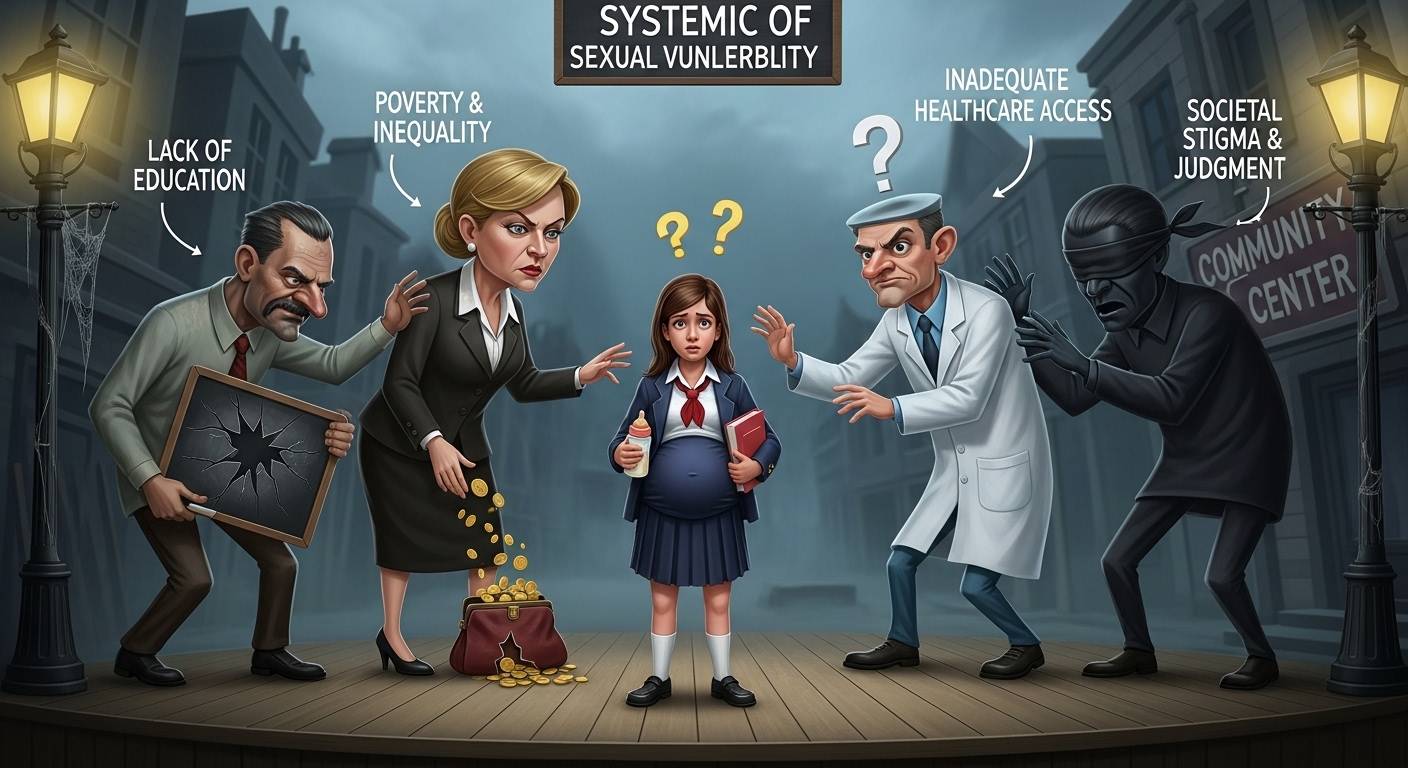

Sexual violence is one of the most pervasive features of gender-based violence in South Africa. Its stark manifestation takes the form of rape and the insidious rape culture that has taken root in our society. In 2025, South Africa recorded more than 40,000 reported cases of rape – averaging over 10,000 cases every quarter. Yet we remain collectively silent about one of its most visible consequences: teenage pregnancy. The latest statistics from the Department of Home Affairs reveal 117,195 births to girls aged 10–19, with cases involving children as young as 11. These numbers are not neutral demographic data, they are evidence of a rape culture that permits older men to exploit children with impunity.
Every pregnancy under the age of 16 is statutory rape. Yet instead of outrage, society often responds with moralistic lectures about “bad choices,” shifting blame onto girls rather than confronting the predatory men responsible. We bury our daughters in statistics instead of protecting them in life.
A Crisis We Refuse to Name
At the heart of the rape crisis we face as a country lies personal moral failure—men failing to respect the consent and bodily integrity of women and girls, buttressed by systemic failures in policing and legal infrastructure that remain toothless.
Rape is evil precisely because it tramples underfoot the importance of consent in romantic and sexual activities. In the case of teenage pregnancy, rape is doubly evil because it undermines the dignity of those who cannot even legally consent. This situation is worsened by men in positions of power preying on vulnerable women and girls; communities normalizing predatory behavior; and institutions failing to protect children. Teachers, employers, community leaders, men in authority are implicated in exploiting vulnerable girls. Poverty and inequality exacerbate the crisis, as transactional sex becomes a survival strategy. But survival under coercion is not consent.
The Architecture of Failure
Our response to teenage pregnancy reveals how deeply rape culture has embedded itself in our institutions: Policing and legal systems: Statutory rape laws exist, but enforcement is weak. Cases are dismissed, delayed, or ignored, leaving perpetrators free to continue their predatory behavior.
Overwhelmed institutions: Schools, clinics, and community structures treat teenage pregnancy as a health or educational issue rather than recognizing it as evidence of sexual violence. Protected perpetrators: Communities often prefer moralistic explanations – “she was careless,” “she made bad choices” – rather than confronting the reality that these pregnancies are the result of rape. This silence protects perpetrators, not children.
What Must Change
Teenage pregnancy is not simply a “social problem.” It is a national disaster of sexual violence. It reflects a society where men abuse power, where institutions fail to enforce laws, and where communities remain silent. Until we confront this reality, we will continue to fail our daughters.
The path forward requires courage:
Law enforcement must act. Statutory rape laws must be enforced with urgency, not filed away as low-priority cases. Communities must confront rape culture. Silence protects perpetrators, not children. We must create spaces where survivors are believed and supported, not blamed.
Men must take responsibility. This is not about individual innocence but collective accountability. Men must actively challenge predatory behavior in their communities and hold each other accountable. Policy must recognize teenage pregnancy as GBV. Treating it as a health or social issue alone misses the deeper violence at play. Every teenage pregnancy should trigger an investigation into statutory rape.
No More Silence
Rape culture thrives when society refuses to name sexual violence for what it is. Teenage pregnancy is rape culture in action. It is the clearest evidence that South Africa is failing its daughters. These 117,195 births are not mistakes—they are evidence of sexual violence. They are a national disaster that demands urgent action. Until we name it as rape, confront the men who perpetrate it, and demand systemic accountability, we condemn another generation of girls to the same violence their mothers and grandmothers endured.
Our daughters deserve better. They deserve a society that protects them, prosecutes those who harm them, and refuses to normalize their exploitation. The question is whether we have the moral courage to build it.
—————————————————————-
Prof Motsamai Molefe is Associate Professor of Ethics, Leadership and Governance and Leader and Founder of the One Million Voices Campaign Against GBVF