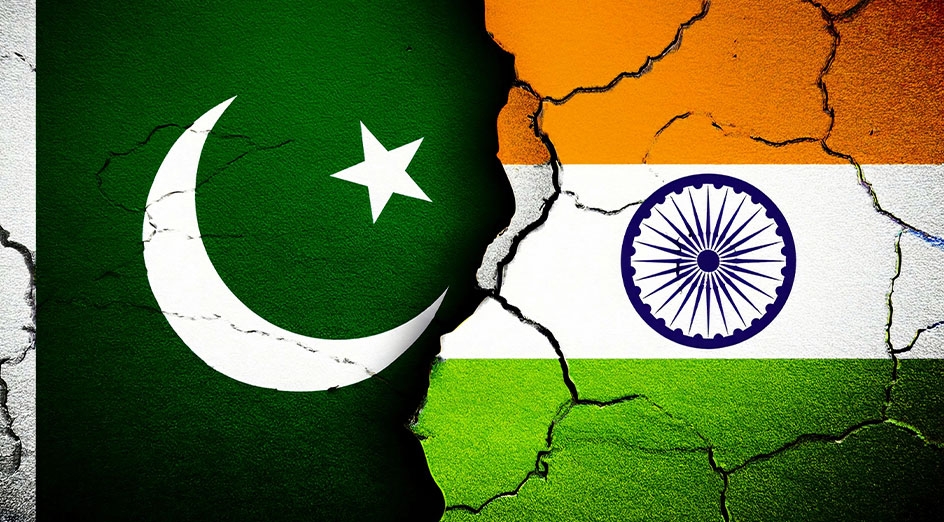

The brief yet intense military confrontation between India and Pakistan in May 2025, ignited by a deadly terrorist attack in Pahalgam, Kashmir, has left behind more questions than answers. While official narratives in both New Delhi and Islamabad spin stories of resilience and retaliation, the reality on the ground paints a far more sobering picture. For all the airstrikes, dogfights, and diplomatic theatrics, neither nation can convincingly claim outright victory—only varied shades of loss.
India’s Operation Sindoor, launched with surgical precision, demonstrated the capabilities of its modernized air force. Rafale jets armed with SCALP missiles struck deep into Pakistan’s territory, targeting what the government described as terrorist infrastructure with strategic importance. These swift actions were celebrated in Indian media and by the ruling Bharatiya Janata Party (BJP) as a show of strength and resolve. However, cracks quickly appeared beneath the surface of this patriotic fervour.
Reports emerged that Pakistan’s Chinese-made J-10C fighters had shot down at least two Indian aircraft during the counteroffensive, a blow to India’s air superiority narrative and a boon for Beijing’s arms exports agenda.
At home, the Indian government faced growing political pressure. Congress leader Rahul Gandhi publicly slammed Prime Minister Narendra Modi’s foreign policy, accusing the administration of escalating tensions unnecessarily and isolating India diplomatically. Many questioned whether the operation was more about domestic optics in the run-up to the 2029 elections than about long-term national security. While India may have achieved some military objectives, its broader strategic position, especially in terms of regional diplomacy and economic stability, remains as precarious as ever.
Pakistan, meanwhile, suffered more visibly, both militarily and economically. Despite mounting Operation Bunyan-ul-Marsoos as a retaliatory gesture, Islamabad found itself strategically cornered. India’s temporary suspension of the Indus Waters Treaty sent shockwaves through Pakistan’s agricultural sector, which relies heavily on river flows originating in Indian-controlled Kashmir. The country’s already ailing economy took another hit, with investors spooked and inflation rising further. The costs of military mobilisation were substantial, and Pakistan’s international image took another dent with renewed accusations of harbouring extremist groups.
The deeper loser in this short war, however, is the Pakistani public
As with many conflicts involving disproportionate state power and nationalistic fervour, it is the ordinary citizens who pay the heaviest price. Inflation soared past 30%, fuel shortages crippled transport, and food prices skyrocketed. With over 200 civilian casualties reported on both sides, the human toll has been immense. Families displaced, homes destroyed, and futures derailed, collateral damage in a geopolitical chess game played by distant elites.
Globally, China emerged as an unexpected winner. Its J-10C fighter jets gained notoriety for reportedly neutralising Indian aircraft, boosting Beijing’s standing in the global arms trade. For a country locked in a broader strategic rivalry with India, this was a symbolic gain. The United States, acting as a reluctant broker in the eventual ceasefire, also walked a diplomatic tightrope, trying to maintain its partnerships with both nations without appearing partisan. But Washington’s involvement underscored a troubling reality: both India and Pakistan continue to rely on external powers to manage their most existential conflicts.
Environmentalists also raised alarms as forested areas in Kashmir bore the brunt of airstrikes and artillery exchanges. The long-term ecological impact remains unknown, but the scars on the land will mirror those in the national psyche for years to come.
In the end, the 2025 India-Pakistan war was not about territorial gains or military conquest. It was a war of narratives, optics, and bruised egos. While India may claim a tactical edge and Pakistan may boast about its resilience, neither side can escape the truth: the real losers are the citizens who bury their dead, rebuild their homes, and wonder what the next round of escalation will bring. If this conflict proves anything, it’s that in South Asia’s high-stakes rivalry, peace remains the most elusive, and necessary, victory of all.