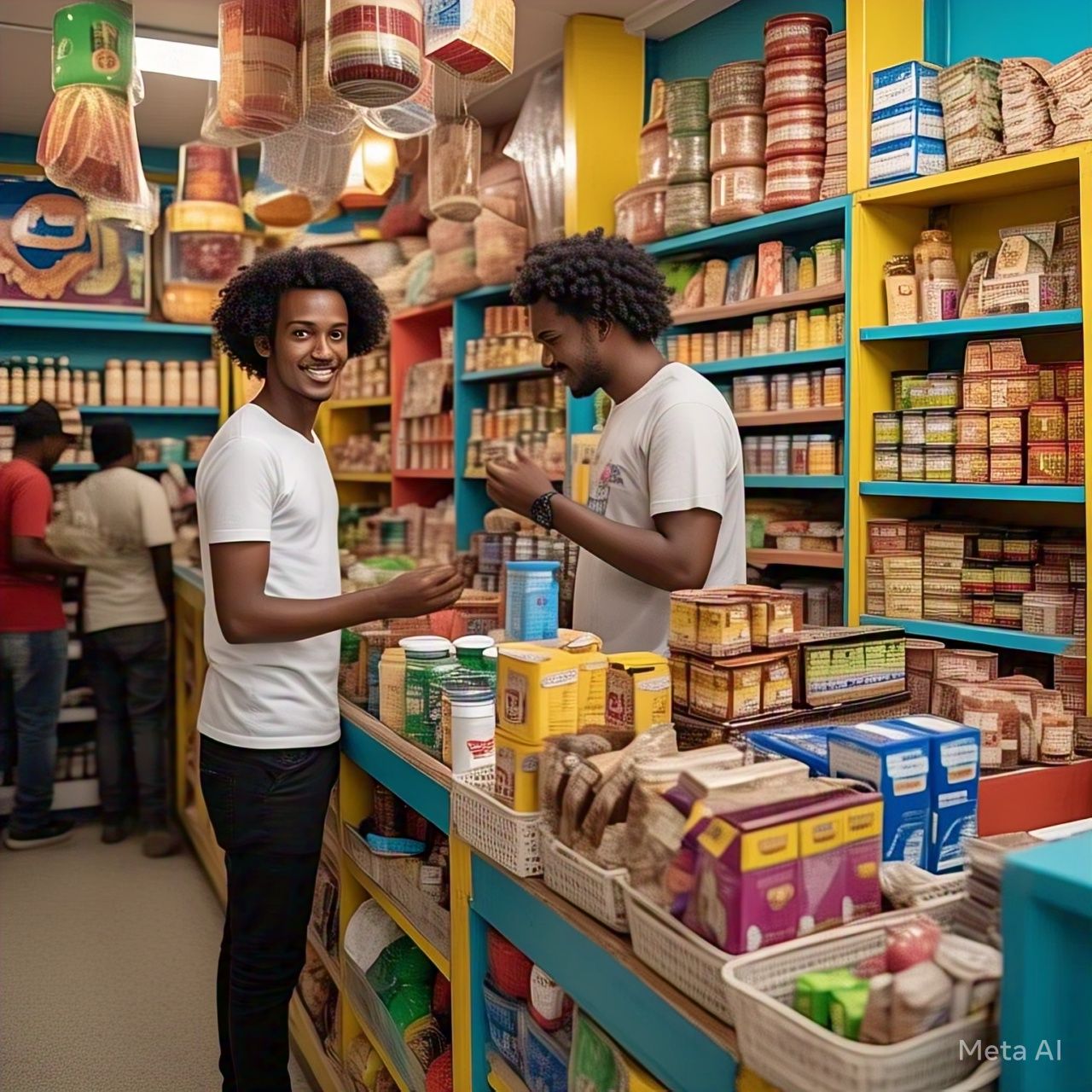
Despite decades of political instability and civil war, the Somali people have shown a remarkable ability to thrive economically, especially when they venture beyond their homeland. In cities around the world—from Nairobi to Minneapolis, Stockholm to Kigali—Somalis have carved out a reputation for sharp business acumen, entrepreneurial grit, and a tireless work ethic.
The Somali civil war, which began in the early 1990s, shattered formal state structures and forced millions into exile. But displacement did not spell defeat. Instead, it sparked a global Somali diaspora that carried with it a rich tradition of trade, negotiation, and resilience. Known historically as traders, herders, and navigators of the Horn of Africa, many Somalis seamlessly transferred these instincts into modern entrepreneurship.
In Kenya, the Eastleigh neighborhood in Nairobi is a case in point. Once a quiet suburb, Eastleigh has transformed into a bustling commercial hub, largely driven by Somali-owned businesses. From textile imports to real estate, Somali entrepreneurs have revitalized the area’s economy. Despite challenges such as xenophobia and regulatory crackdowns, Somali traders continue to thrive—often outcompeting more established local businesses through superior supply chain strategies and pricing models. Eastleigh is now a financial powerhouse, home to sprawling markets and thriving businesses, many of which deal in textiles, electronics, and construction.
The Somali community here has acquired significant properties and land, often investing in real estate development and rental properties, which have skyrocketed in value.
So where does this community find the capital to build such massive business empires? The answer lies partly in the remittance system. Somalis, both at home and in the diaspora, maintain a robust network of remittance-based transactions. With a vast network of family and business ties, Somalis around the world send money home, which is reinvested into local businesses. The Somali diaspora also leverages informal credit systems, pooling resources together to fund large-scale projects, often without relying on traditional bank loans, which can be difficult to access.
Moreover, Somali traders have mastered the art of cross-border trade. With connections across the Horn of Africa, the Middle East, and parts of Asia, Somali entrepreneurs often have direct access to markets that bypass formal systems. This enables them to sell goods at competitive prices and to scale their businesses rapidly. Additionally, many Somali business owners focus on cash-based transactions, which allows them to avoid the bureaucratic constraints of formal banking and regulatory systems.
Across the Atlantic, Minnesota, USA, has one of the largest Somali populations outside Africa. Here, Somali immigrants have established grocery stores, malls, logistics companies, and tech start-ups. Companies like Kaah Express facilitate remittances, sustaining both local families and entire communities back home. Somali-Americans are also making strides in politics and civic leadership—Ilhan Omar’s election to Congress is a landmark example of this community’s growing influence.
In Sweden, Somali entrepreneurs have built successful small and medium-sized enterprises despite cultural and linguistic barriers. In cities like Malmö and Gothenburg, Somali-owned cafés, salons, and retail shops are integral parts of local economies. NGOs and local government initiatives often cite Somali businesses as examples of successful immigrant integration.
But where does this resilience come from? Is business acumen inborn—or forged in hardship? Many argue it is both. The long civil war left Somalis with few options but to rely on themselves, developing survival-driven entrepreneurship. With limited access to formal employment or state support, running a business became a necessity, not just a choice. Over time, this necessity shaped a deeply ingrained entrepreneurial mindset passed down across generations.
Whether in Rwanda, Canada, or beyond, the Somali story is one of determination and adaptability. For them, business is not just trade—it is survival, identity, and a pathway to dignity. The resilience of this community, combined with their entrepreneurial strategies and networks, has positioned them as an unshakable force in the global business landscape.

